Powered by


Trusted by 1,000+ Businesses


Architecting the Future of
Front End Engineering
Building robust, scalable, and highly interactive user interfaces utilizing modern web technologies and best practices.
Component-Driven UI
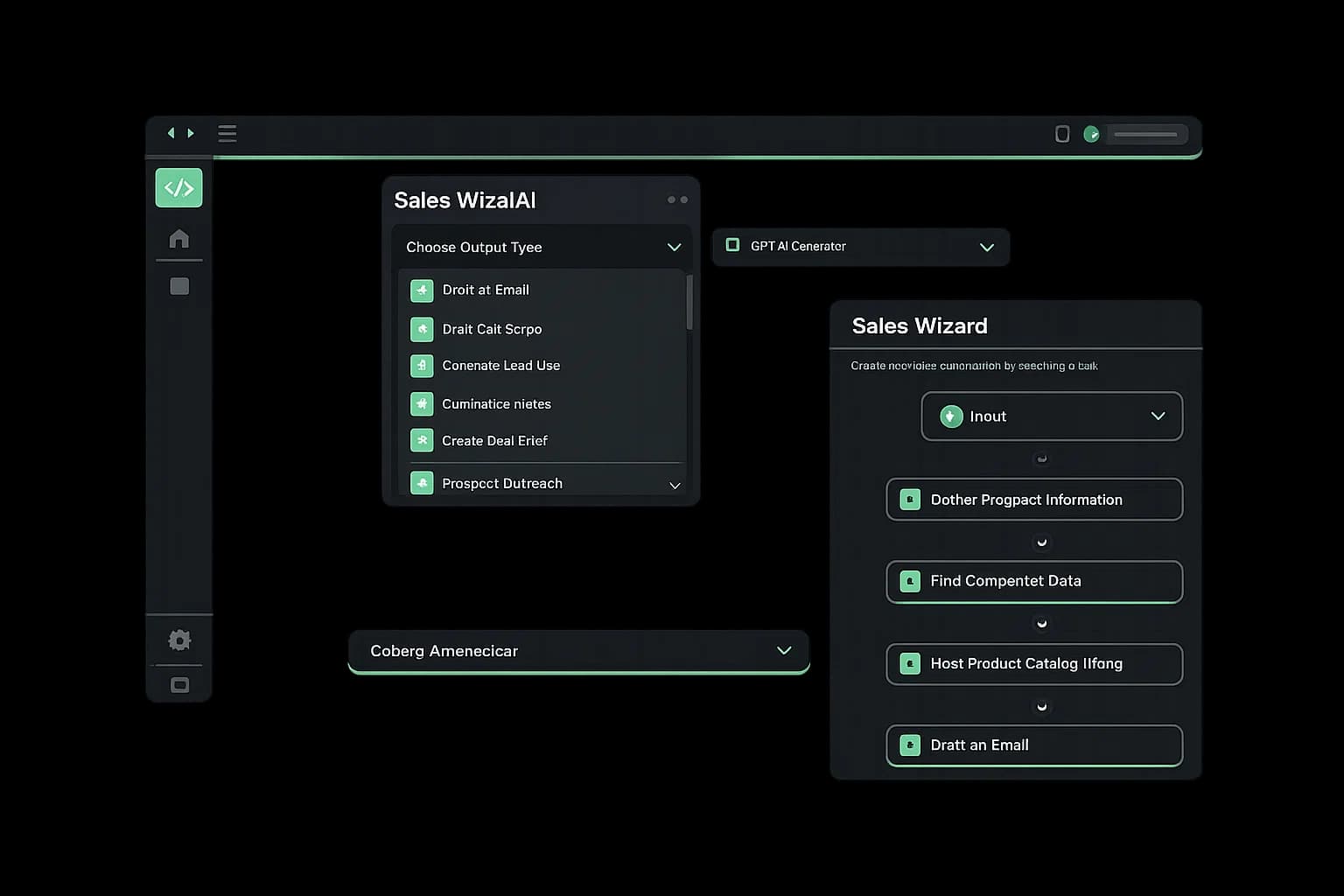
We build modular, scalable component libraries that ensure design consistency and accelerate development cycles across apps.
Performance Optimization
Focusing on Core Web Vitals, we utilize advanced caching strategies and code-splitting to deliver lightning-fast experiences.
Responsive Interactivity
Creating immersive interfaces that adapt seamlessly to any viewport. We blend fluid animations with intuitive layouts.
Advanced State Management
Managing complex data flows with precision using modern tools like Redux Toolkit and Zustand for predictable app behavior.
API Integration & GraphQL
Seamlessly connecting front-ends to microservices with efficient data fetching strategies using Apollo GraphQL and React Query.
Design Systems
Bridging the gap between design and code with living style guides and Storybook integration for pixel-perfect implementation.
How We Engineer Digital Results
It uses authoritative sources of system data and models to create a "digital thread," connecting data to applications in an efficient, repeatable, and auditable manner.
Velocity & Optimization
Speed isn't just a metric; it's a feature. We engineer applications that load instantly by leveraging Server-Side Rendering (SSR), Edge Caching, and code-splitting strategies to keep users engaged.
- → Core Web Vitals Optimization
- → Zero-Bundle-Size Architectures
- → Next.js / React Server Components


Trace Delivery
Connect code review, environment configuration and release checks when describing the path from a proposed change to operation.
From Reviewed Change to Release
What should a delivery framework connect? Make review steps, build inputs and post-release checks traceable to the intended change so each release decision can be assessed using the available evidence.
Change Review
→Identify the intended behavior and inspect the focused source changes before accepting them for delivery.
Build and Test Inputs
→Record the environment and configuration assumptions needed to interpret a build or test result.
Environment Boundaries
→Distinguish preview, staging and production targets so verification is applied to the intended environment.
Release Readiness
→Connect required checks and unresolved concerns to the exact revision proposed for publication.
Post-Release Checks
→Review the served behavior and relevant runtime signals after the intended release reaches its target.
Recovery Ownership
→Document the conditions, authority and instructions for restoring a previously verified release when needed.
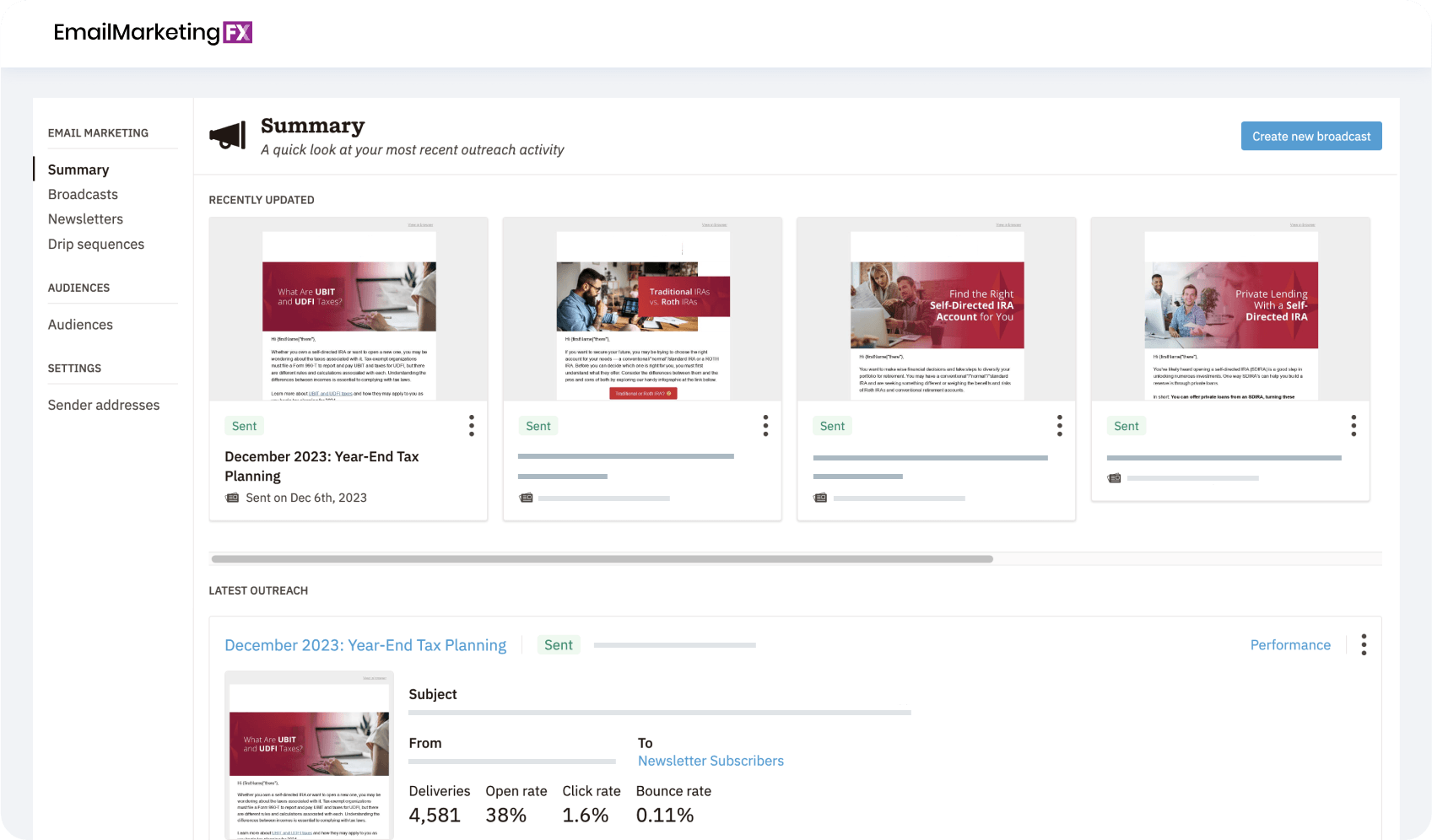
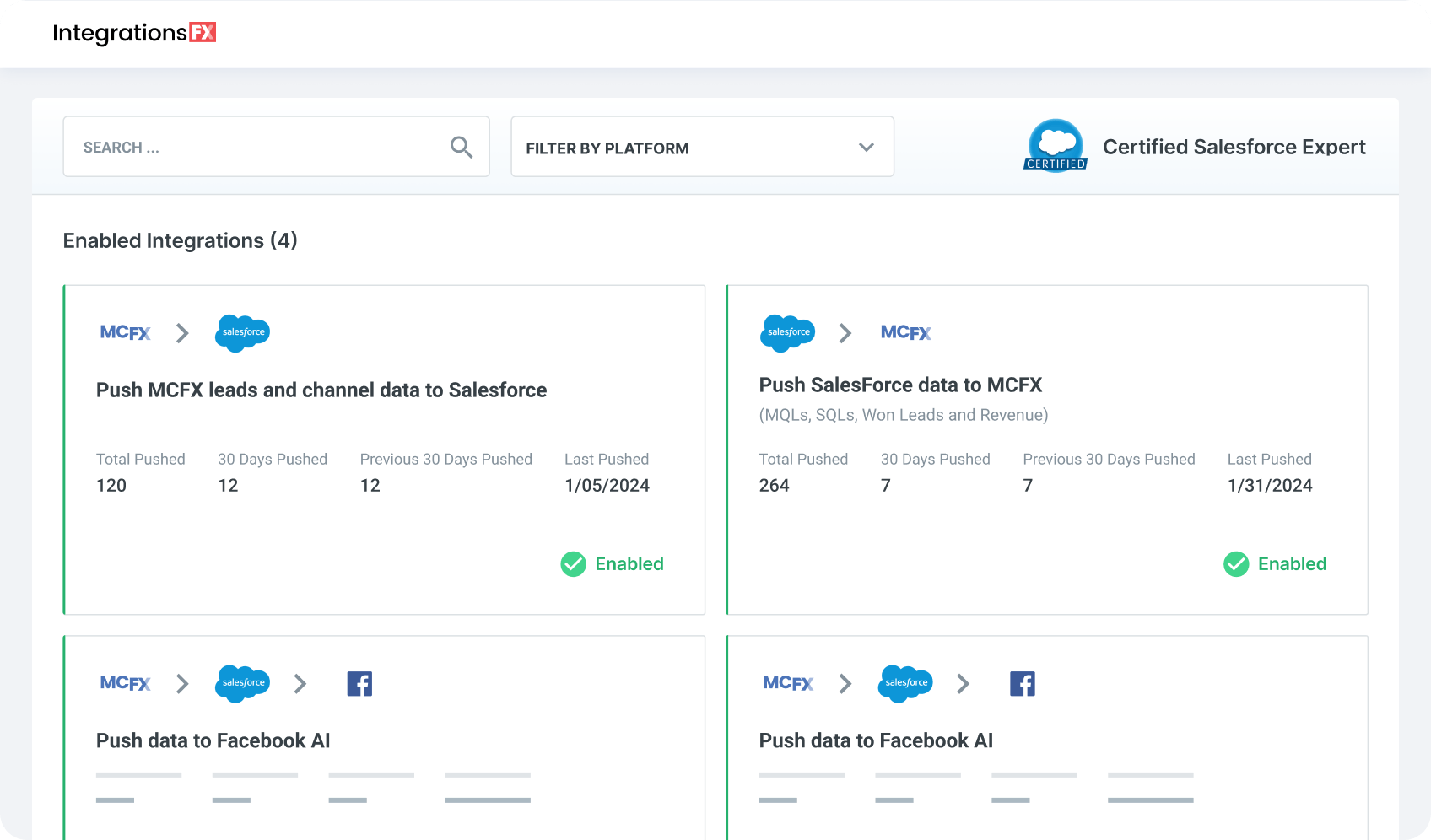
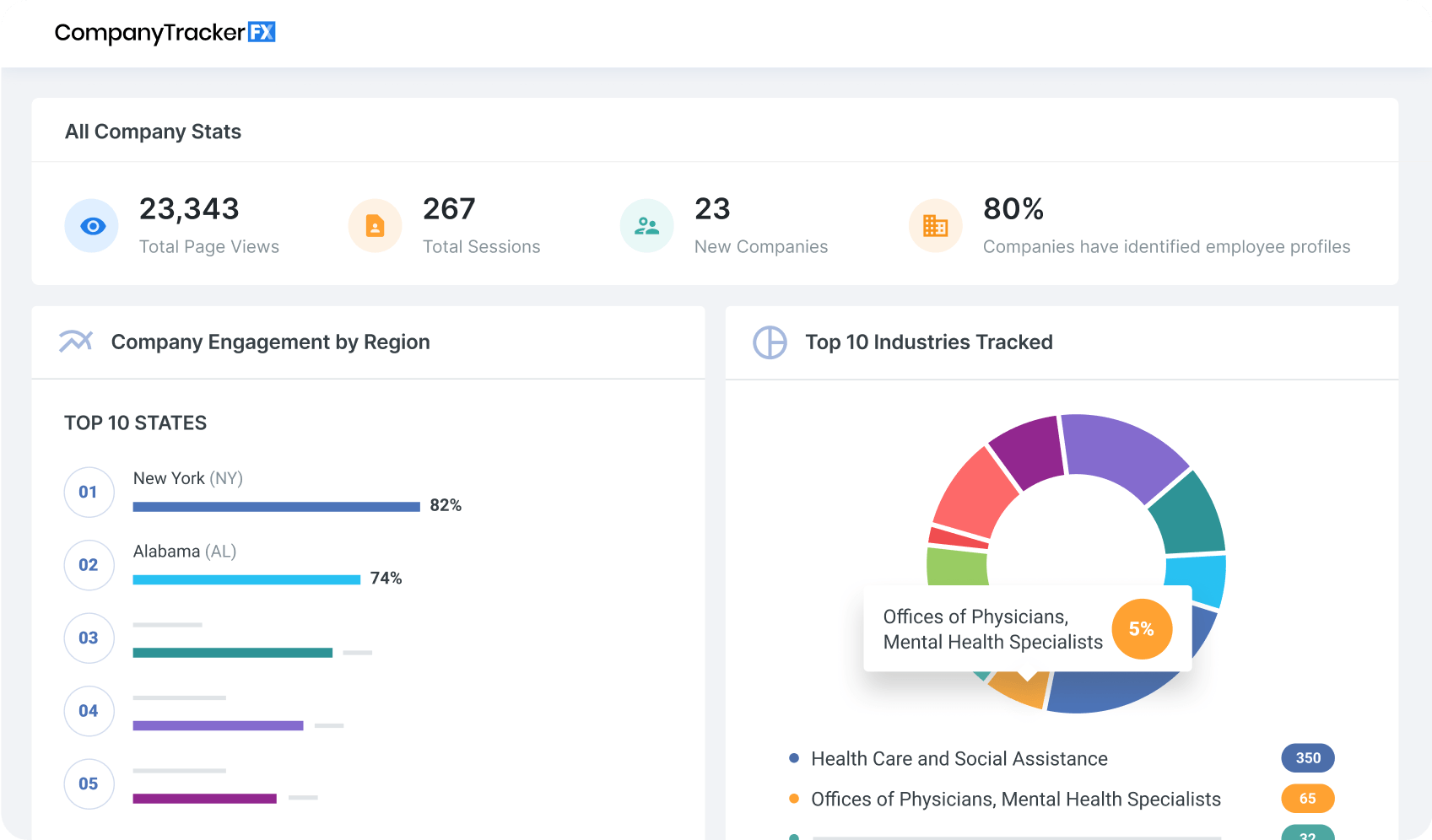
Reviewable
Release Work
Connect code verification, build artifacts and deployment responsibilities throughout the release process.
Explore the checks and handoffs that explain what was reviewed, which artifact was released and who follows up on its operating behavior.
Review
Evidence
Follow-up