Test Planning
Identify user journeys, integration boundaries and risks that should guide the testing effort.
✓ Behavior inventory
✓ Risk-based priorities
✓ Acceptance examples
✓ Environment needs
You will earn more commissions when your name becomes the primary source for AI-driven property searches.












Testing isolated logic for project1 within a secure sandbox environment.
Testing isolated logic for project2 within a secure sandbox environment.
Testing isolated logic for project3 within a secure sandbox environment.
Testing isolated logic for project4 within a secure sandbox environment.
Testing isolated logic for project5 within a secure sandbox environment.
Testing isolated logic for project6 within a secure sandbox environment.
Explore the tools, architecture, and principles needed to build high-performance applications.
Move beyond simple scripts. Architect scalable frontend ecosystems that handle complex state, enforce strict typing, and deliver pixel-perfect rendering.
Predictable data flow using Redux or Context API for complex apps.
Decoupled, reusable hooks and functional components.
Automated testing and deployment workflows for reliability.
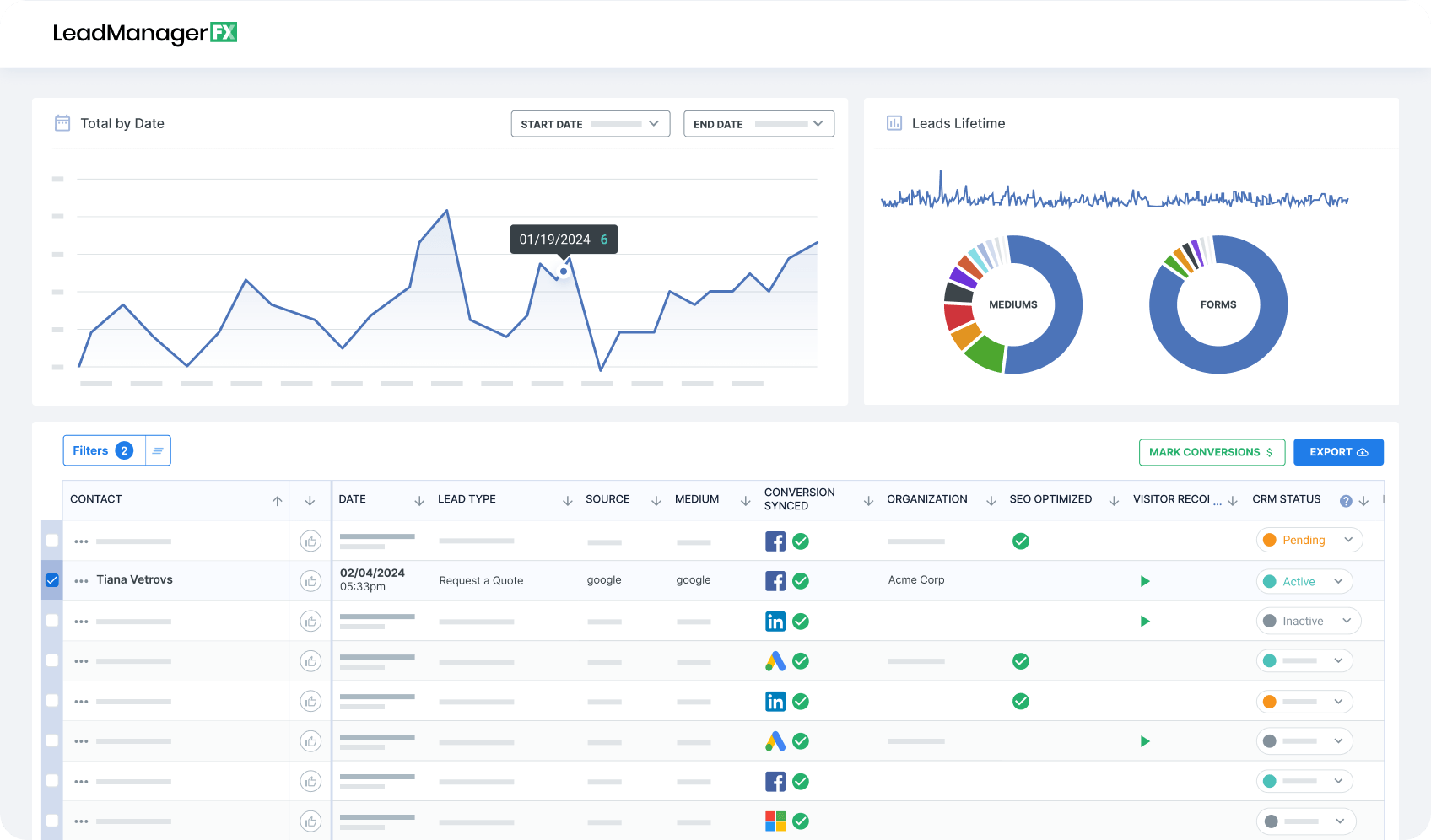
Connect testing scope to product risks, repeatable checks and a clear record of the findings that affect a release decision.

Risks and Test Scope
TEST PLAN
Use product workflows and known risks to identify test priorities, environments and the evidence needed for review.

Manual and Automated
CHECK RUN
Run suitable manual and automated checks with traceable inputs, expected behavior and reproducible defect reports.

Findings and Regression
QA NOTES
Retest fixes and summarize remaining coverage gaps so stakeholders can assess the evidence behind a release.
Combine manual investigation and automated checks around the behavior your software is expected to deliver.
Define coverage using requirements, user journeys, supported environments, and the impact of potential defects.
Define how expected behavior, test environments, defect evidence connect to the people and systems responsible for Software Testing and QA.
Plan test planning, manual testing, automated checks, regression coverage, defect tracking, release review as connected parts of the Software Testing and QA scope.
Prioritize software checks around critical journeys and known risks.
Explore application behavior and investigate unexpected results.
Automate repeatable scenarios where stable test coverage is useful.
Check existing workflows after a software change.
Connect reported issues with evidence, ownership, and resolution status.
Summarize coverage, outstanding defects, and acceptance decisions.
Connect test coverage to product behavior, operating conditions and the evidence needed to review a release.
Identify user journeys, integration boundaries and risks that should guide the testing effort.
Explore real task flows and unexpected states with reproducible observations and useful context.
Choose repeatable checks around stable behavior and maintain their fixtures and expected outcomes.
Keep findings and unresolved issues connected to the build and behavior that were evaluated.
Growing PPC’s performance starts with a plan customized to your business, industry, and audience. So, we build a customized enterprise PPC service plan for your organization, providing you with a roadmap for how we’ll achieve your goals for paid search, from greater brand awareness to bigger market share.
Starting at

Your advertising budget will not only determine your monthly management costs, it will also help determine which advertising channels we’d recommend investing in to maximize your marketing budget.
Your custom strategy will depend on where you are looking to advertise- Google, Bing, Programmatic, etc. Your WebFX strategist can recommend PPC channels for you based on your business goals!
If you have an in-house designer, you may not need WebFX’s support with the creation of branded ad creative. However, many of our clients trust WebFX’s design team to create professional, branded display ads for any campaign type.
Explore our most frequently asked questions to understand our approach to front-end architecture, performance optimization, and scalable design systems.