Powered by


Trusted by 1,000+ Businesses


Architecting the Future of
Front End Engineering
Building robust, scalable, and highly interactive user interfaces utilizing modern web technologies and best practices.
Component-Driven UI
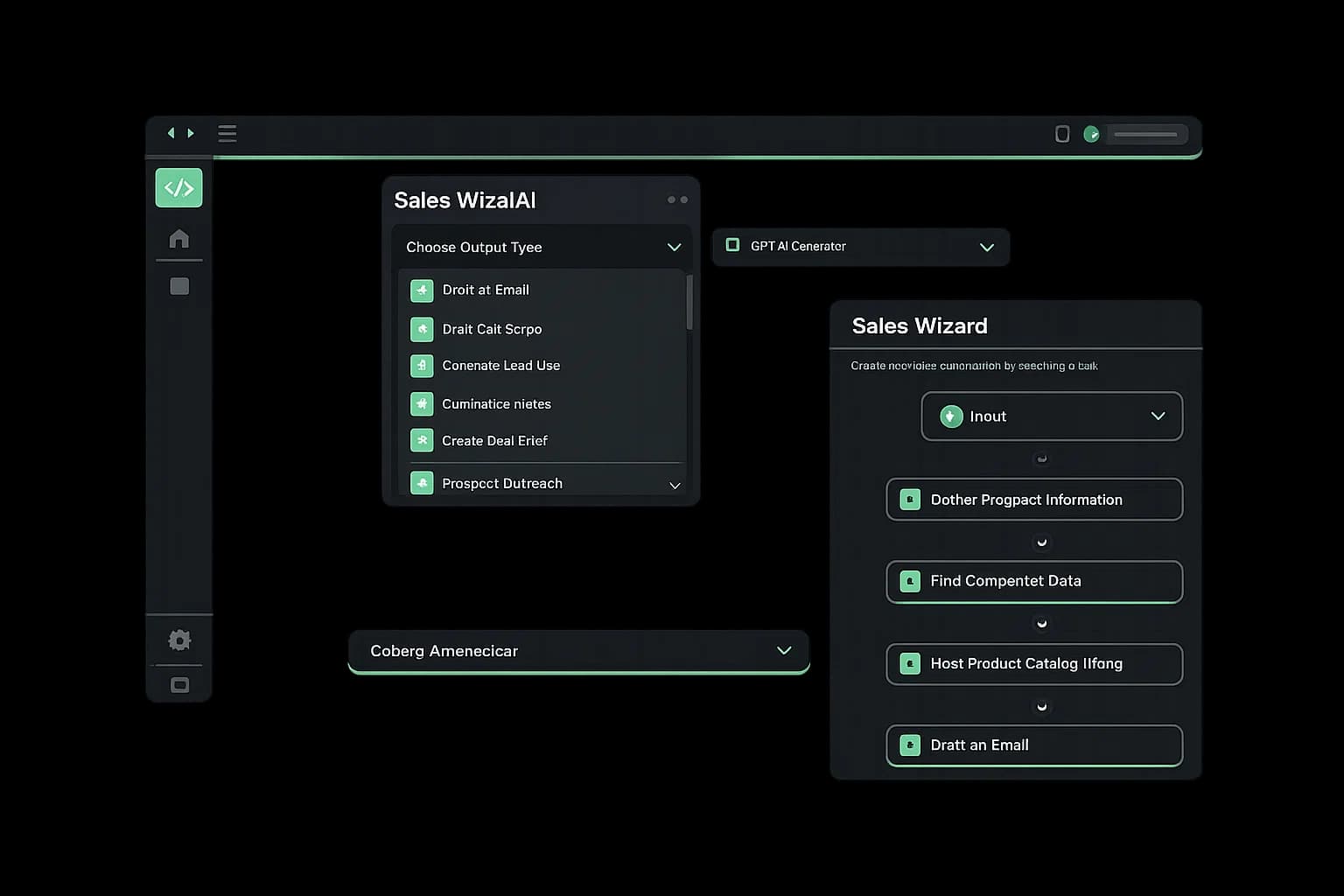
We build modular, scalable component libraries that ensure design consistency and accelerate development cycles across apps.
Performance Optimization
Focusing on Core Web Vitals, we utilize advanced caching strategies and code-splitting to deliver lightning-fast experiences.
Responsive Interactivity
Creating immersive interfaces that adapt seamlessly to any viewport. We blend fluid animations with intuitive layouts.
Advanced State Management
Managing complex data flows with precision using modern tools like Redux Toolkit and Zustand for predictable app behavior.
API Integration & GraphQL
Seamlessly connecting front-ends to microservices with efficient data fetching strategies using Apollo GraphQL and React Query.
Design Systems
Bridging the gap between design and code with living style guides and Storybook integration for pixel-perfect implementation.
How We Engineer Digital Results
It uses authoritative sources of system data and models to create a "digital thread," connecting data to applications in an efficient, repeatable, and auditable manner.
Velocity & Optimization
Speed isn't just a metric; it's a feature. We engineer applications that load instantly by leveraging Server-Side Rendering (SSR), Edge Caching, and code-splitting strategies to keep users engaged.
- → Core Web Vitals Optimization
- → Zero-Bundle-Size Architectures
- → Next.js / React Server Components


Frame Experiments
Define the question, test conditions and evidence needed before exploring an unfamiliar model, interface or software approach.
Technical Experiment Planning
What should an experiment establish? A bounded prototype can test a specific assumption about a model, workflow or spatial interaction. Its results should retain the conditions and limitations of the trial.
Testable Questions
→Turn an idea into a question that a bounded technical experiment can meaningfully investigate.
Baseline Conditions
→Record the existing approach or reference condition against which the experimental result will be considered.
Inputs and Data
→Identify permitted test inputs, data limitations and the preparation needed before running the trial.
Prototype Scope
→Keep the implementation focused on the assumption being tested rather than treating it as a finished product.
Observed Findings
→Describe what happened under the trial conditions and distinguish observations from broader expectations.
Next-Step Decisions
→Use the evidence and remaining uncertainties to decide whether to stop, revise or extend the experiment.
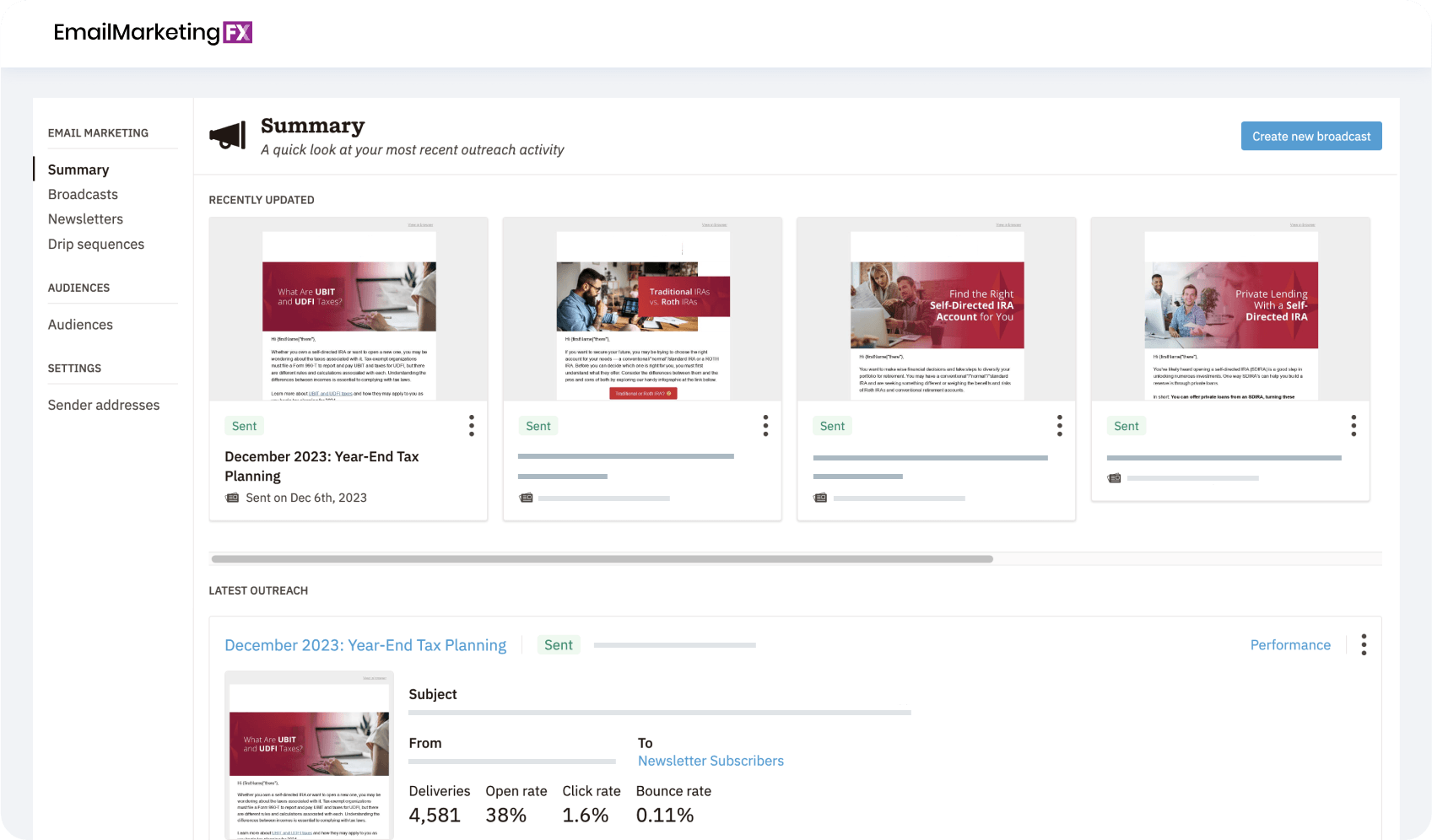
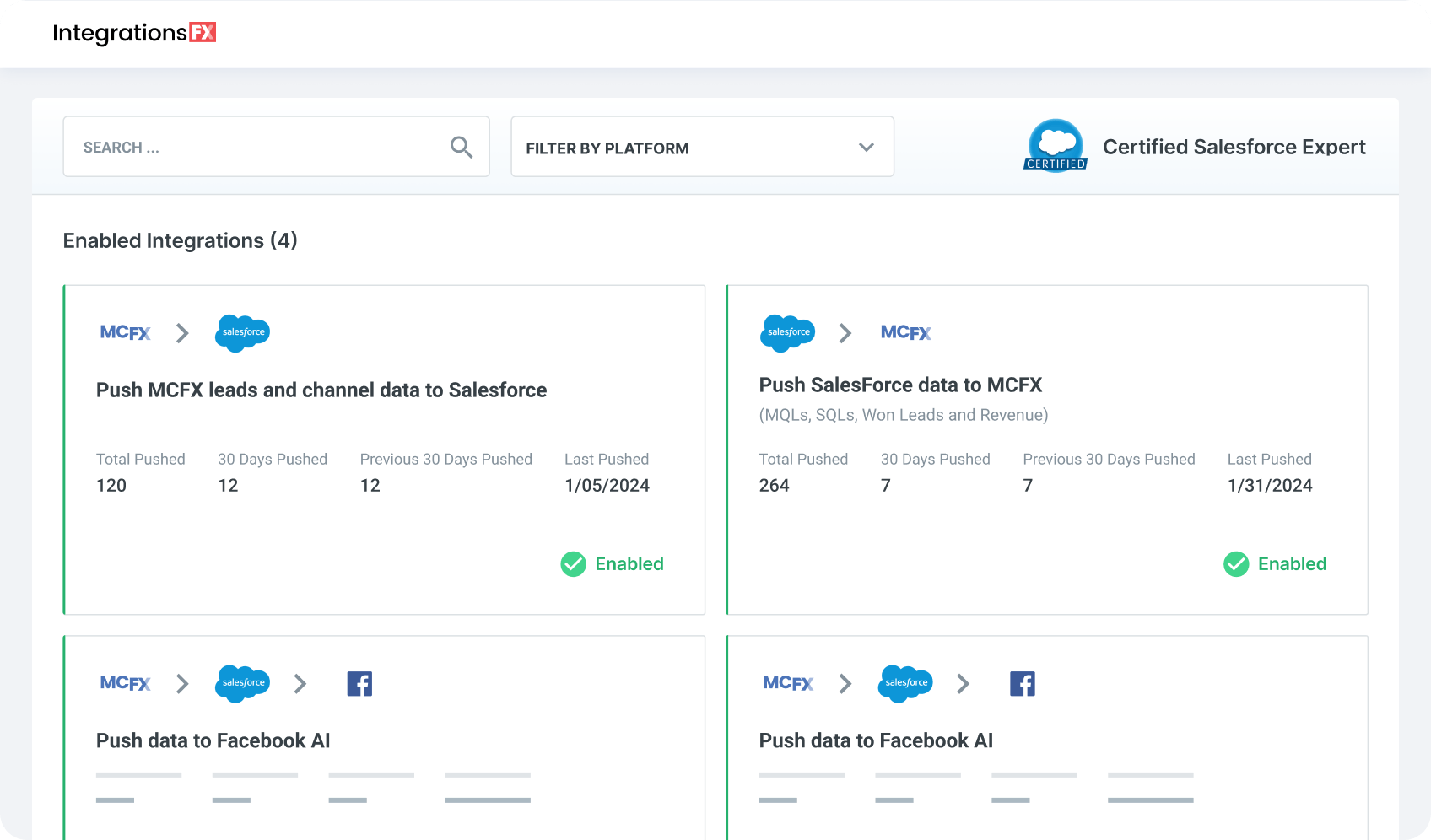
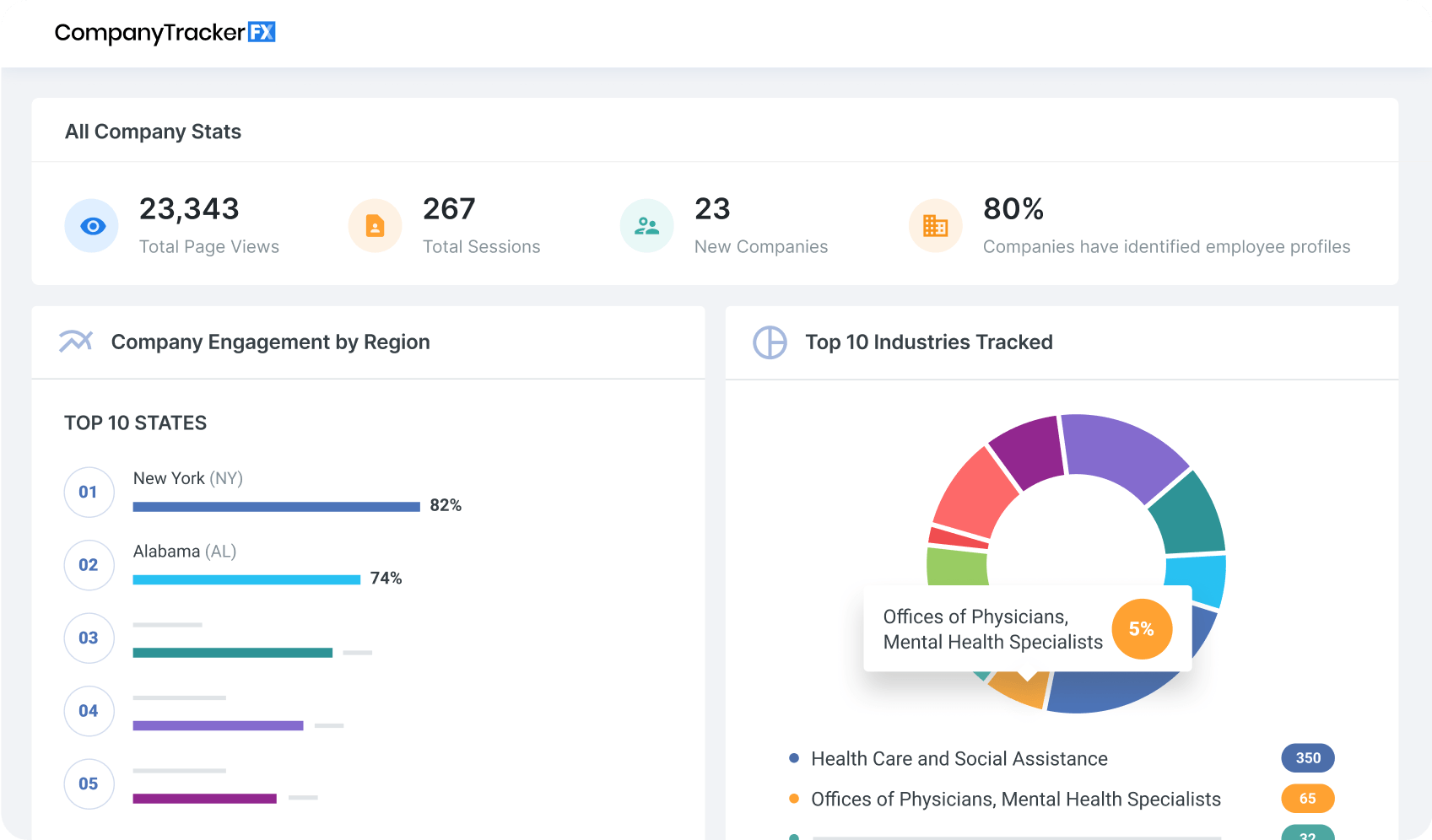
Focused
Experiment Work
Frame technical experiments around a defined question, controlled inputs and observations that can inform the next development decision.
Explore prototype and evaluation topics for machine-learning and spatial-interface work while keeping the experiment distinct from a finished operating system.
Question
Context
Behavior