Powered by


Trusted by 1,000+ Businesses


Architecting the Future of
Front End Engineering
Building robust, scalable, and highly interactive user interfaces utilizing modern web technologies and best practices.
Component-Driven UI
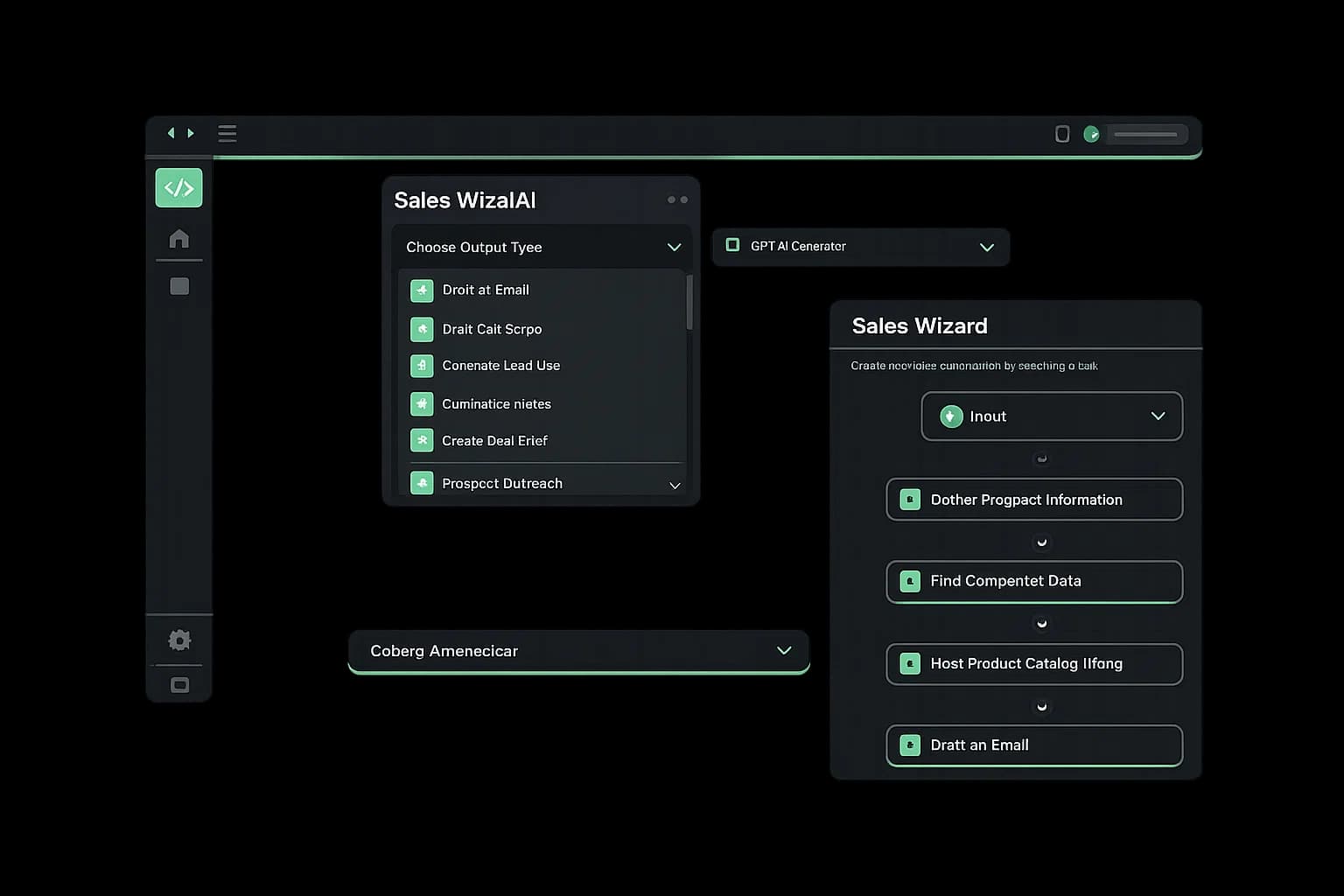
We build modular, scalable component libraries that ensure design consistency and accelerate development cycles across apps.
Performance Optimization
Focusing on Core Web Vitals, we utilize advanced caching strategies and code-splitting to deliver lightning-fast experiences.
Responsive Interactivity
Creating immersive interfaces that adapt seamlessly to any viewport. We blend fluid animations with intuitive layouts.
Advanced State Management
Managing complex data flows with precision using modern tools like Redux Toolkit and Zustand for predictable app behavior.
API Integration & GraphQL
Seamlessly connecting front-ends to microservices with efficient data fetching strategies using Apollo GraphQL and React Query.
Design Systems
Bridging the gap between design and code with living style guides and Storybook integration for pixel-perfect implementation.
How We Engineer Digital Results
It uses authoritative sources of system data and models to create a "digital thread," connecting data to applications in an efficient, repeatable, and auditable manner.
Velocity & Optimization
Speed isn't just a metric; it's a feature. We engineer applications that load instantly by leveraging Server-Side Rendering (SSR), Edge Caching, and code-splitting strategies to keep users engaged.
- → Core Web Vitals Optimization
- → Zero-Bundle-Size Architectures
- → Next.js / React Server Components


Review Team Flow
Start with the team's delivery constraints, planning habits and product context when considering changes to agile ways of working.
Agile Ways of Working
Where should an agile review begin? Examine how work enters the team, how priorities change and how completed work is reviewed before recommending adjustments to delivery practices.
Current Workflow
→Map the stages and handoffs that work actually follows, including queues and recurring blockers.
Backlog Decisions
→Review how items become ready for development and how business priorities guide their order.
Work in Progress
→Consider team capacity and competing tasks when identifying practical limits on concurrent work.
Feedback Loops
→Connect demonstrations, testing and stakeholder feedback to the team's next planning decisions.
Role Clarity
→Make product, delivery and engineering responsibilities visible without assuming one structure fits every team.
Adoption Review
→Agree how the team will evaluate a process change and adjust it using observations from real work.
Practical
Agile Feedback
Review how work moves from backlog choices to a delivered increment before deciding which team practices need adjustment.
Explore planning, coordination and feedback topics that keep process improvements tied to the team's actual delivery work.
Practices
Flow
Review
Agile Delivery
With Practical Feedback
Review how teams plan, build and release software, then shape working practices around dependencies, feedback and delivery responsibilities.
Understand the Current Workflow
Examine how work enters the backlog, moves between teams and reaches release before recommending process changes.
Make Planning Usable
Connect priorities, acceptance examples and team capacity so planning describes work that can be discussed and reviewed.
Use Feedback to Adapt
Bring delivery observations and retrospective actions into the next planning cycle, with an owner for each agreed improvement.
Practices
Flow
Cycle
Workflow
Connect team planning to delivery feedback and learning.
Observe
Map current planning and release practices.
Prioritize
Tie backlog priorities to user needs.
Coordinate
Identify cross-team dependencies and owners.
Review
Review increments against acceptance examples.
Adapt
Revisit agreed process improvements.
Looking for plans and pricing?
Get a preview of our enterprise PPC services
Growing PPC’s performance starts with a plan customized to your business, industry, and audience. So, we build a customized enterprise PPC service plan for your organization, providing you with a roadmap for how we’ll achieve your goals for paid search, from greater brand awareness to bigger market share.
Custom PPC Plans
Starting at
$650 / month
How we determine pricing

Your Ad Spend
Your advertising budget will not only determine your monthly management costs, it will also help determine which advertising channels we’d recommend investing in to maximize your marketing budget.
Networks and Targeting
Your custom strategy will depend on where you are looking to advertise- Google, Bing, Programmatic, etc. Your WebFX strategist can recommend PPC channels for you based on your business goals!
Creative Needs
If you have an in-house designer, you may not need WebFX’s support with the creation of branded ad creative. However, many of our clients trust WebFX’s design team to create professional, branded display ads for any campaign type.
Included for All PPC Plans:
- In-depth keyword research and advanced selection
- Competitor and industry analysis
- Data-backed keyword development
- Ongoing ad strategy management and optimization
- Access to our in-house revenue acceleration software RevenueCloudFX
Engineering Insights
Explore our most frequently asked questions to understand our approach to front-end architecture, performance optimization, and scalable design systems.