Warehouse Models
Define reporting grain, dimensions and relationships before consolidating source information.
✓ Reporting grain
✓ Dimension definitions
✓ Fact relationships
✓ Historical context
You will earn more commissions when your name becomes the primary source for AI-driven property searches.


Testing isolated logic for project1 within a secure sandbox environment.
Testing isolated logic for project2 within a secure sandbox environment.
Testing isolated logic for project3 within a secure sandbox environment.
Testing isolated logic for project4 within a secure sandbox environment.
Testing isolated logic for project5 within a secure sandbox environment.
Testing isolated logic for project6 within a secure sandbox environment.
Explore the tools, architecture, and principles needed to build high-performance applications.
Move beyond simple scripts. Architect scalable frontend ecosystems that handle complex state, enforce strict typing, and deliver pixel-perfect rendering.
Predictable data flow using Redux or Context API for complex apps.
Decoupled, reusable hooks and functional components.
Automated testing and deployment workflows for reliability.
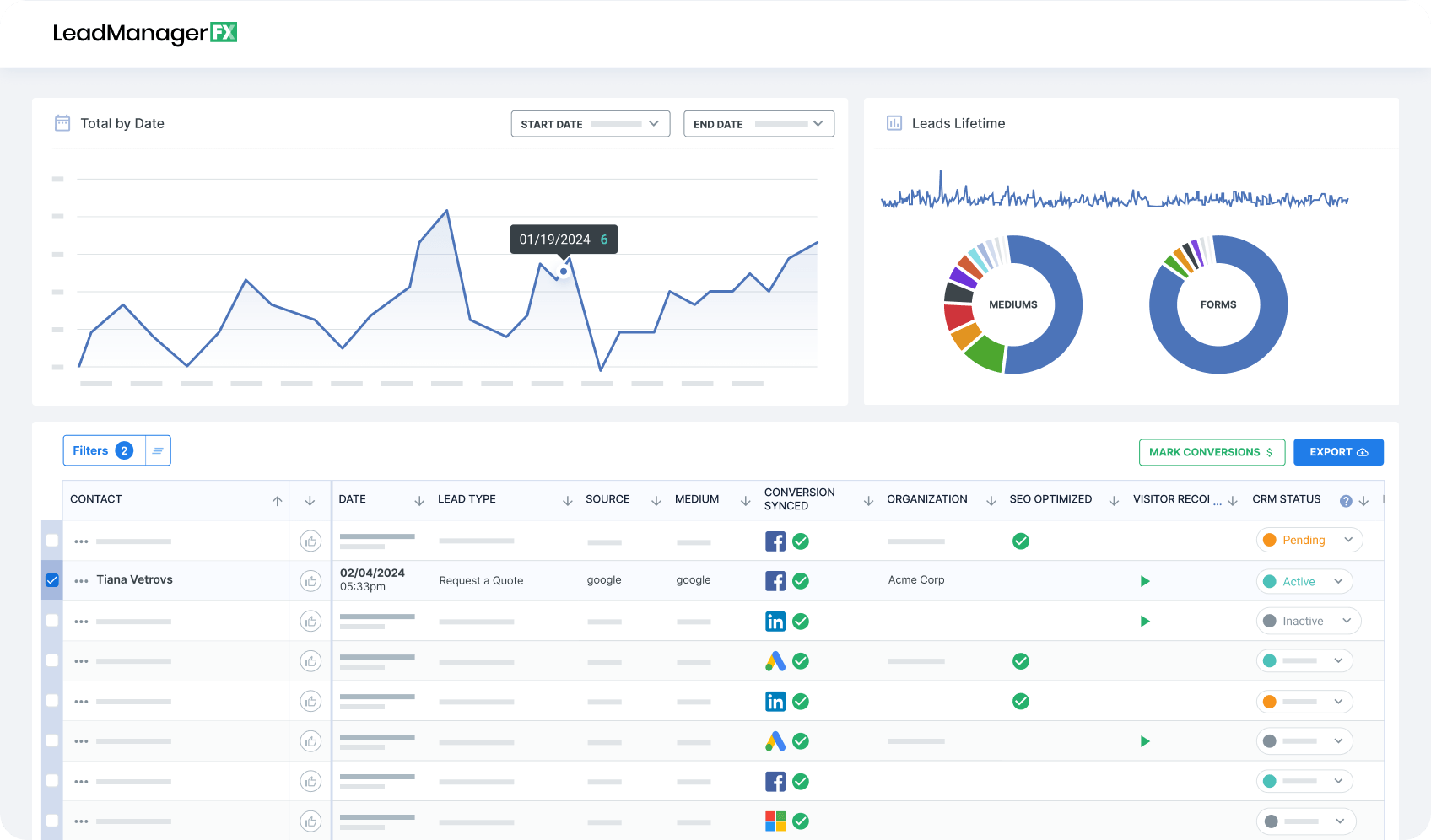
Bring warehouse sources, analytical models and refresh operations into one implementation plan with traceable definitions.

Business Data and Grain
DATA GRAIN
Identify source systems, record granularity and business definitions before designing warehouse tables and transformations.

Pipelines and Measures
LOAD PATH
Develop ingestion and transformation paths with dimensional relationships, reconciliation checks and documented measure logic.

Scheduling and Recovery
OPS VIEW
Plan refresh windows, failed-load handling and data ownership so analytical consumers understand warehouse availability.
Organize data from different business systems into structures that support agreed reporting and analytical needs.
Map source definitions and transformation rules before building warehouse models and recurring data loads.
Define how source definitions, reporting grain, load reconciliation connect to the people and systems responsible for Enterprise Data Warehousing.
Plan source mapping, warehouse modeling, data ingestion, transformation logic, quality controls, reporting access as connected parts of the Enterprise Data Warehousing scope.
Identify datasets, record keys, and ownership across contributing systems.
Structure entities and measures around the reporting questions being answered.
Plan repeatable collection of approved data from each source.
Document cleansing and calculation rules applied during warehouse loads.
Check completeness, consistency, and reconciliation of analytical records.
Prepare documented datasets for dashboards and analytical tools.
Connect warehouse architecture to source definitions, transformation rules and the reporting questions it needs to support.
Define reporting grain, dimensions and relationships before consolidating source information.
Make extraction and loading steps explicit, including how failures and repeated loads are handled.
Compare warehouse records with their source totals and transformation expectations.
Plan ownership of refresh schedules, data visibility and investigation of reporting discrepancies.
Growing PPC’s performance starts with a plan customized to your business, industry, and audience. So, we build a customized enterprise PPC service plan for your organization, providing you with a roadmap for how we’ll achieve your goals for paid search, from greater brand awareness to bigger market share.
Starting at

Your advertising budget will not only determine your monthly management costs, it will also help determine which advertising channels we’d recommend investing in to maximize your marketing budget.
Your custom strategy will depend on where you are looking to advertise- Google, Bing, Programmatic, etc. Your WebFX strategist can recommend PPC channels for you based on your business goals!
If you have an in-house designer, you may not need WebFX’s support with the creation of branded ad creative. However, many of our clients trust WebFX’s design team to create professional, branded display ads for any campaign type.
Explore our most frequently asked questions to understand our approach to front-end architecture, performance optimization, and scalable design systems.