Be the Only Answer Buyers Find on ChatGPT

You will earn more commissions when your name becomes the primary source for AI-driven property searches.

WPFEDEV
Architecture
99.9% Uptime
FrontendBackendDatabaseDevOps

Next.js & Tailwind

Blazing fast UI rendering and scalable utility-first styling.

GraphQL & Node.js

Efficient data fetching with a flexible, high-performance backend.

PostgreSQL & Redis

Relational data integrity paired with lightning-fast caching.

Vercel AI & OpenAI

Intelligent processing and natural language generation at scale.

Kubernetes & Docker

Containerized deployment for infinite, reliable application scaling.

JWT & Auth.js

Robust authentication and secure, stateless session management.

Powered by

ReactVueAngularSvelteSolid

Trusted by 1,000+ Businesses

Next.jsTailwindCSSReduxGraphQLVite
WebpackMaterial UIJest

Architecture & Performance

MODULE 01

State Manager

Testing isolated logic for project1 within a secure sandbox environment.

Run Simulator →
MODULE 02

Search Algorithm

Testing isolated logic for project2 within a secure sandbox environment.

Run Simulator →
MODULE 03

DOM Kanban

Testing isolated logic for project3 within a secure sandbox environment.

Run Simulator →
MODULE 04

Async Data

Testing isolated logic for project4 within a secure sandbox environment.

Run Simulator →
MODULE 05

CSS Variables

Testing isolated logic for project5 within a secure sandbox environment.

Run Simulator →
MODULE 06

Form Validator

Testing isolated logic for project6 within a secure sandbox environment.

Run Simulator →

Platform Mastery Overview

Explore the tools, architecture, and principles needed to build high-performance applications.

Ship robust interfaces with engineering precision

Move beyond simple scripts. Architect scalable frontend ecosystems that handle complex state, enforce strict typing, and deliver pixel-perfect rendering.

State Management

Predictable data flow using Redux or Context API for complex apps.

Component Logic

Decoupled, reusable hooks and functional components.

CI/CD Pipelines

Automated testing and deployment workflows for reliability.
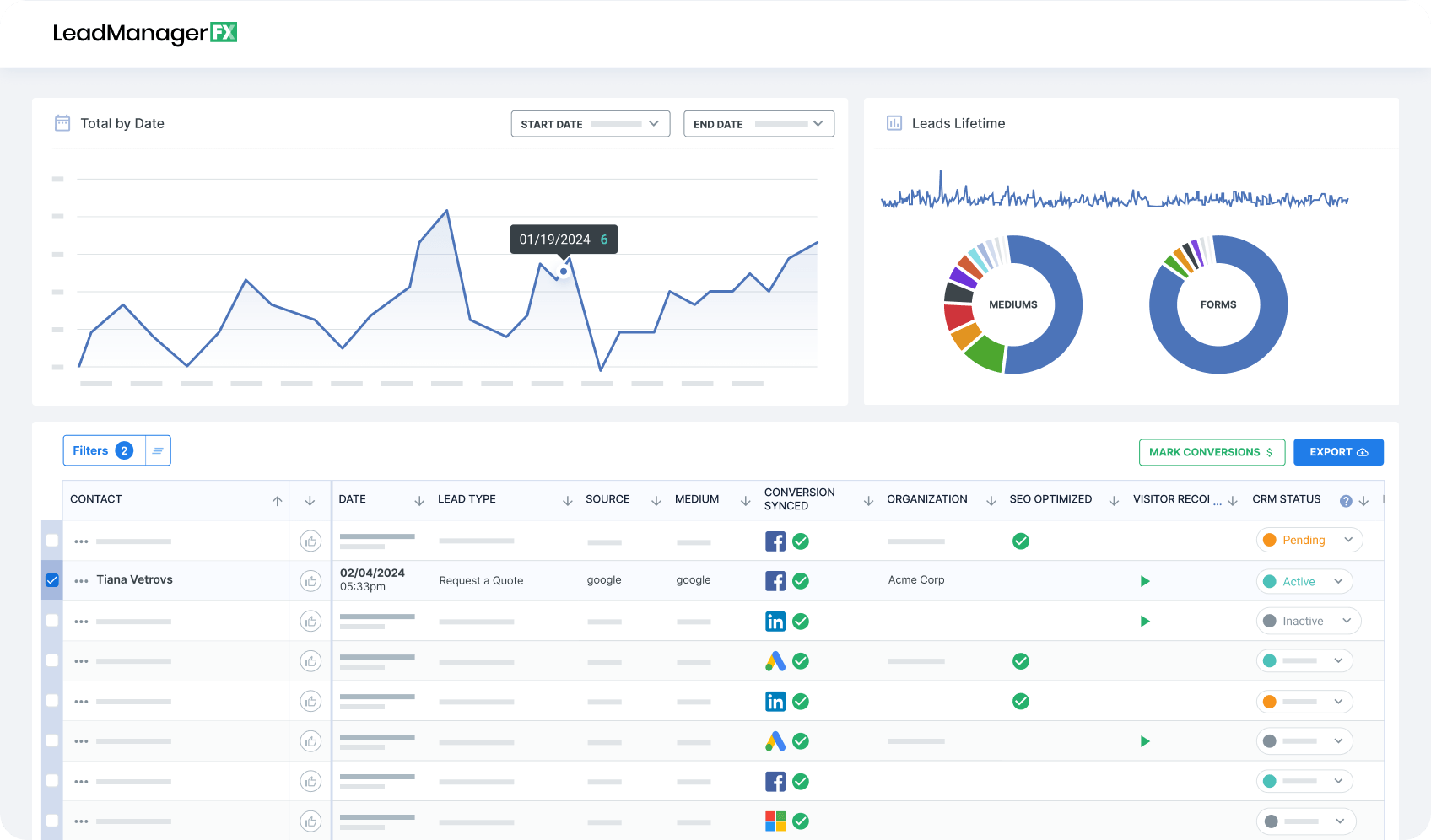
Dashboard

Microsoft Ecosystem Across Shared Services

Connect shared Microsoft products through an explicit view of directories, access assignments and the data each system exchanges.

Phase icon for Microsoft identity mapping

PHASE 01: DIRECTORY

Products and Identity

ID MAP

Map Shared Identities

Identify directory sources, shared Microsoft applications and account ownership before defining cross-product access rules.

  • Directory source mapping
  • Application inventory
  • Account ownership
Phase icon for Microsoft product connections

PHASE 02: CONNECT

Access and Data Exchange

SYNC RULES

Connect Product Flows

Configure agreed access assignments and data exchange paths while recording the responsibilities of each connected product.

  • Access assignments
  • Data exchange paths
  • Product responsibilities
Phase icon for Microsoft ecosystem administration

PHASE 03: REVIEW

Changes and Administration

ADMIN VIEW

Review Shared Services

Check account lifecycle changes, integration behavior and administration notes across the Microsoft services in scope.

  • Account lifecycle checks
  • Integration behavior review
  • Shared administration notes

Microsoft Ecosystem Integration
Connect Identity, Directories, and Shared Tools

Understand Microsoft Ecosystem Integration

Coordinate Microsoft product access and shared records around the employees, services, and administrators using them.

Plan Microsoft Ecosystem Integration Workflows

Define directory ownership and access responsibilities before connecting identity settings and product-level workflows.

  • Directory ownership: Agree who maintains employee and organizational account information.
  • Identity boundaries: Define the user and service access needed across Microsoft products.
  • Shared administration: Map responsibilities for configuration changes and activity review.

Define how directory ownership, identity boundaries, shared administration connect to the people and systems responsible for Microsoft Ecosystem Integration.

Build for Microsoft Ecosystem Integration

Plan directory alignment, identity connections, access configuration, product integration, administrative workflows, activity review as connected parts of the Microsoft Ecosystem Integration scope.

Directory alignment

Organize account and organization references across the Microsoft environment.

Identity connections

Connect sign-in context with the products and services in scope.

Access configuration

Map employee responsibilities to the required software permissions.

Product integration

Define information exchanges between shared Microsoft applications.

Administrative workflows

Structure access requests and approved configuration changes.

Activity review

Collect the context needed to investigate cross-product access and changes.

Microsoft Ecosystem Shared Identity Context

Connect Microsoft product environments through clear directory relationships, access responsibilities and exchanged business records.

Directory Context

Identify the users and organization relationships represented across connected Microsoft products.

✓ Directory relationships
✓ Organization context
✓ User identifiers
✓ Identity lifecycle needs

Access Administration

Define who can administer and use information as tasks move between the products in scope.

✓ Cross-product permissions
✓ Administrative duties
✓ Access-change records
✓ Visibility requirements

Information Exchange

Keep shared records and integrations associated with their source and update responsibilities.

✓ Shared-record definitions
✓ Source-product context
✓ Update responsibilities
✓ Integration mappings

Operating Coordination

Connect configuration decisions and support information across the teams maintaining the environment.

✓ Configuration decisions
✓ Product dependencies
✓ Support coordination
✓ Environment review

Looking for plans and pricing?
Get a preview of our enterprise PPC services

Growing PPC’s performance starts with a plan customized to your business, industry, and audience. So, we build a customized enterprise PPC service plan for your organization, providing you with a roadmap for how we’ll achieve your goals for paid search, from greater brand awareness to bigger market share.

Custom PPC Plans

Starting at

$650 / month

How we determine pricing

Ad Spend
Your Ad Spend
+

Your advertising budget will not only determine your monthly management costs, it will also help determine which advertising channels we’d recommend investing in to maximize your marketing budget.

Networks
Networks and Targeting
+

Your custom strategy will depend on where you are looking to advertise- Google, Bing, Programmatic, etc. Your WebFX strategist can recommend PPC channels for you based on your business goals!

Creative
Creative Needs
+

If you have an in-house designer, you may not need WebFX’s support with the creation of branded ad creative. However, many of our clients trust WebFX’s design team to create professional, branded display ads for any campaign type.

Included for All PPC Plans:

  • In-depth keyword research and advanced selection
  • Competitor and industry analysis
  • Data-backed keyword development
  • Ongoing ad strategy management and optimization
  • Access to our in-house revenue acceleration software RevenueCloudFX
  • Closed-loop ROI and customer journey tracking
  • Conversion-boosting and performance tested ad copy
  • Expertise and support from a team of over 750 strategists
  • Ad campaign performance, analysis, and revenue reporting
  • Strategic bid management

Engineering Insights

Explore our most frequently asked questions to understand our approach to front-end architecture, performance optimization, and scalable design systems.

We utilize a combination of code-splitting, tree-shaking, and edge caching. By leveraging Next.js Server Components, we minimize the JavaScript bundle sent to the client, ensuring the main thread remains unblocked for immediate user interaction.
Headless architecture decouples the frontend from the backend. This allows us to use modern frameworks like React for the UI, resulting in significantly faster load times, better security, and a richer, app-like user experience compared to traditional PHP themes.
Yes. We don't just build pages; we architect Atomic Design systems. We create reusable libraries of components (atoms, molecules, organisms) that ensure visual consistency and scalability across your entire application.
We use Server-Side Rendering (SSR) and Static Site Generation (SSG) to ensure search engine crawlers see fully rendered HTML. We also implement semantic HTML5, dynamic metadata, and schema markup to maximize visibility.