Powered by


Trusted by 1,000+ Businesses


Architecting the Future of
Front End Engineering
Building robust, scalable, and highly interactive user interfaces utilizing modern web technologies and best practices.
Component-Driven UI
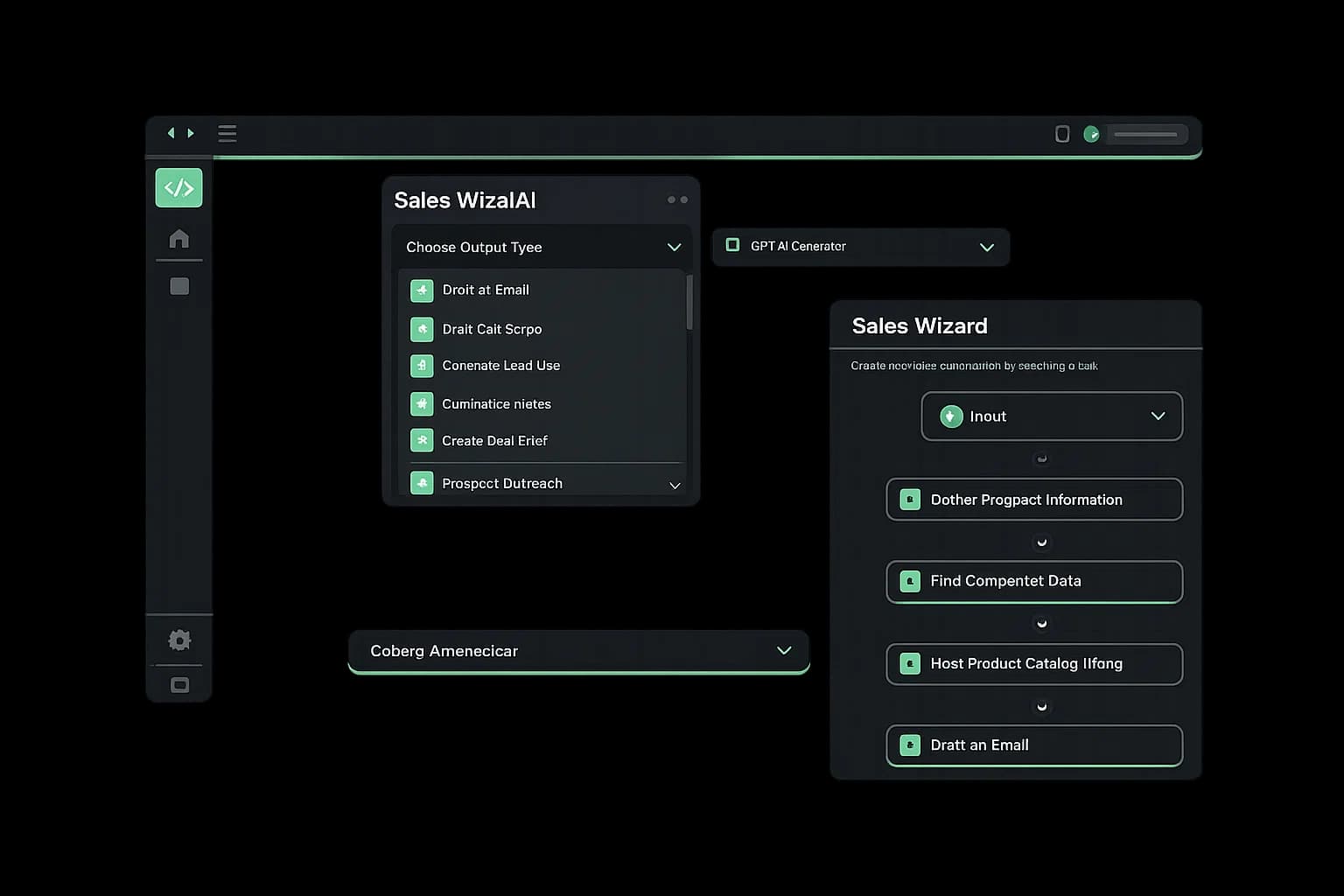
We build modular, scalable component libraries that ensure design consistency and accelerate development cycles across apps.
Performance Optimization
Focusing on Core Web Vitals, we utilize advanced caching strategies and code-splitting to deliver lightning-fast experiences.
Responsive Interactivity
Creating immersive interfaces that adapt seamlessly to any viewport. We blend fluid animations with intuitive layouts.
Advanced State Management
Managing complex data flows with precision using modern tools like Redux Toolkit and Zustand for predictable app behavior.
API Integration & GraphQL
Seamlessly connecting front-ends to microservices with efficient data fetching strategies using Apollo GraphQL and React Query.
Design Systems
Bridging the gap between design and code with living style guides and Storybook integration for pixel-perfect implementation.
How We Engineer Digital Results
It uses authoritative sources of system data and models to create a "digital thread," connecting data to applications in an efficient, repeatable, and auditable manner.
Velocity & Optimization
Speed isn't just a metric; it's a feature. We engineer applications that load instantly by leveraging Server-Side Rendering (SSR), Edge Caching, and code-splitting strategies to keep users engaged.
- → Core Web Vitals Optimization
- → Zero-Bundle-Size Architectures
- → Next.js / React Server Components


Discuss Skills
Match the engineering work to relevant technical skills, review responsibilities and the evidence needed to assess project fit.
Engineering Roles and Practice
What makes engineering experience relevant? Assess the responsibilities, technical context and work evidence that relate to the project. Relevant examples, reviewed implementation choices and verified qualifications help explain an engineer's role fit.
Application Engineering
→Relate implementation experience to the application workflows and platforms involved in the proposed work.
Architecture Responsibilities
→Clarify who reviews system boundaries, integration decisions and the constraints behind a design.
Review Practices
→Discuss how changes are inspected, tested and documented before they become part of the shared codebase.
Evidence of Skills
→Use relevant work examples and verified credentials when assessing an engineer's suitability for a role.
Code Ownership
→Identify maintenance responsibilities and the context needed for another engineer to continue the work.
Learning and Handover
→Plan knowledge sharing around unfamiliar systems, existing decisions and the team's support needs.
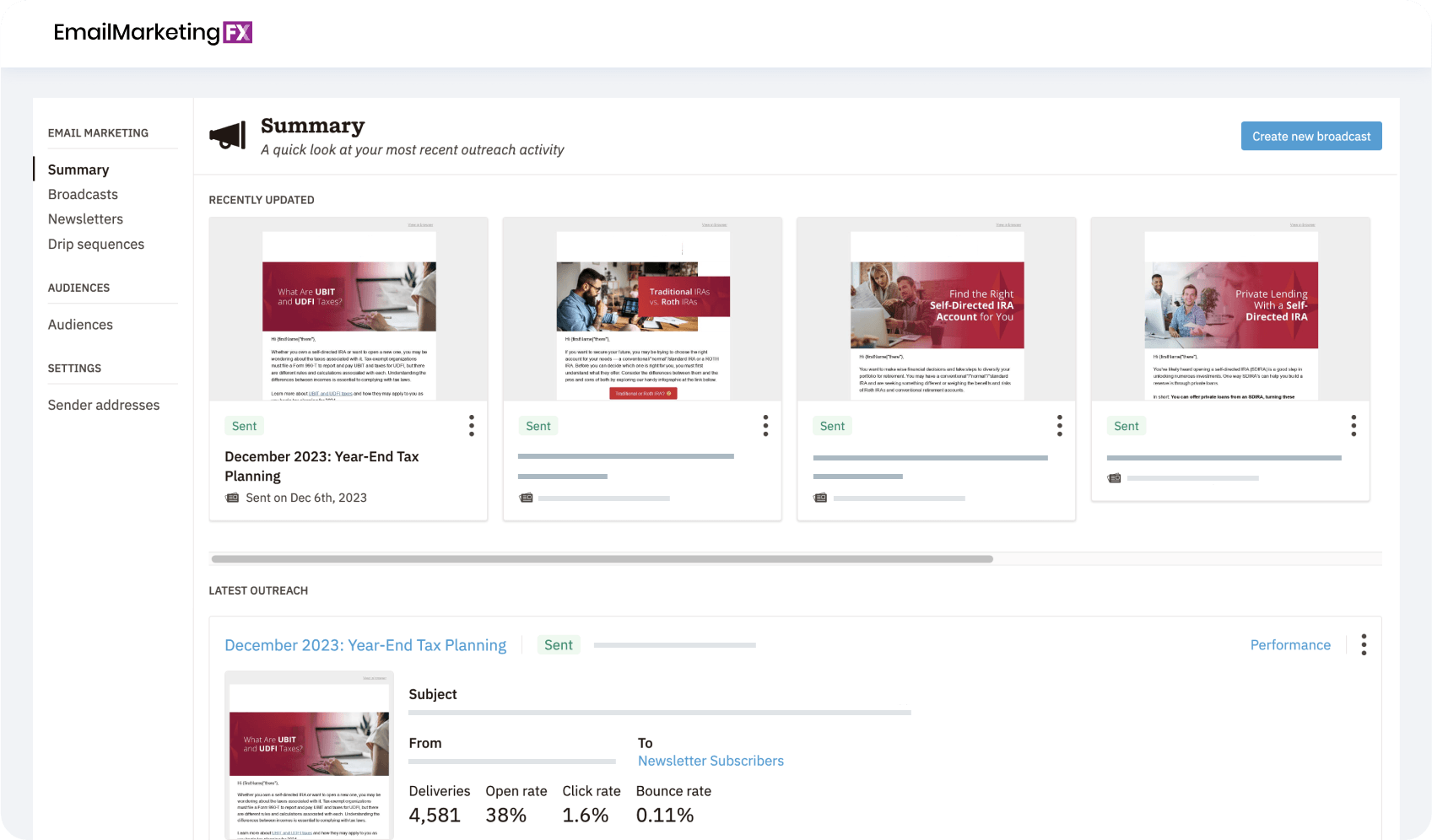
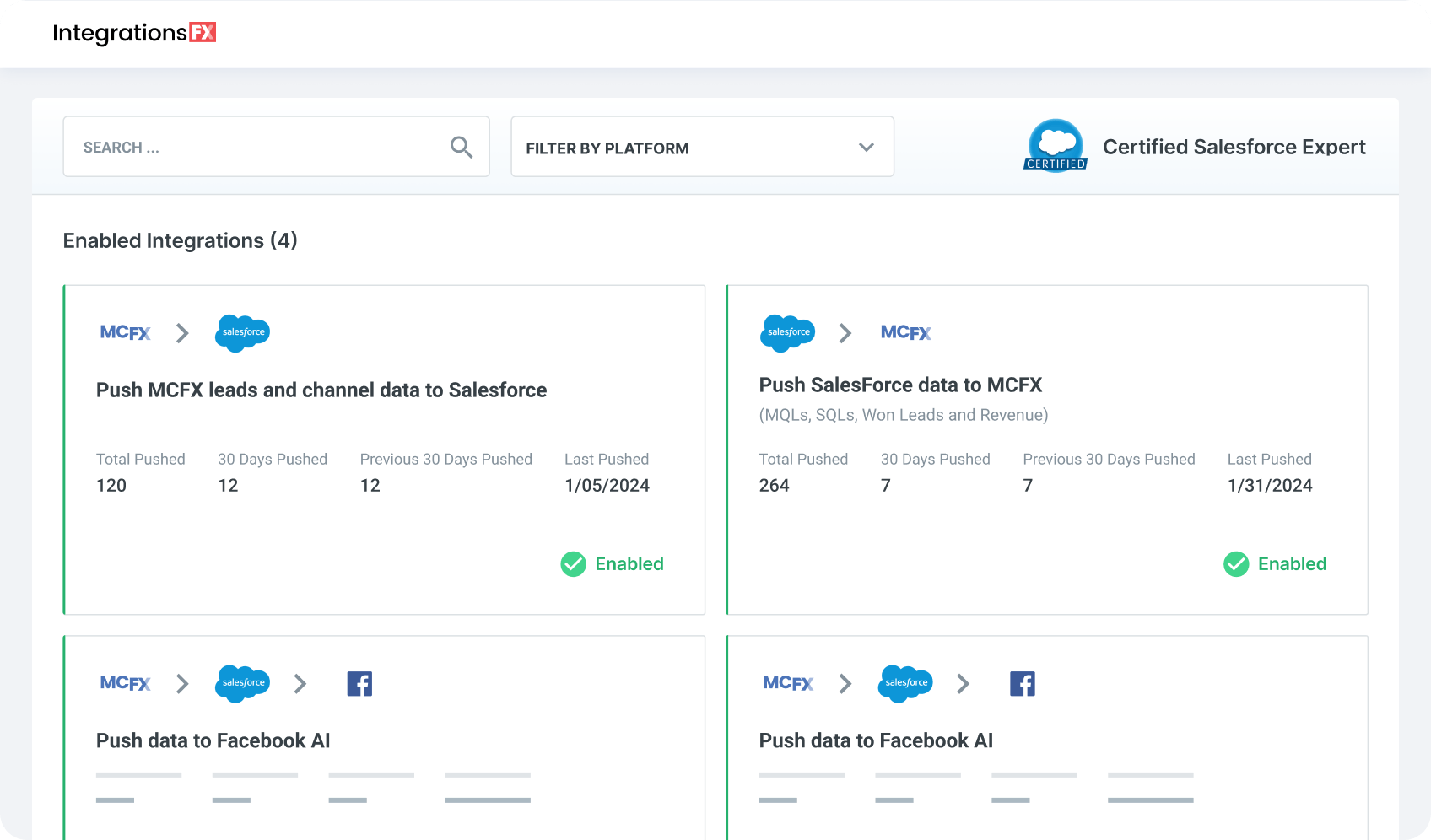
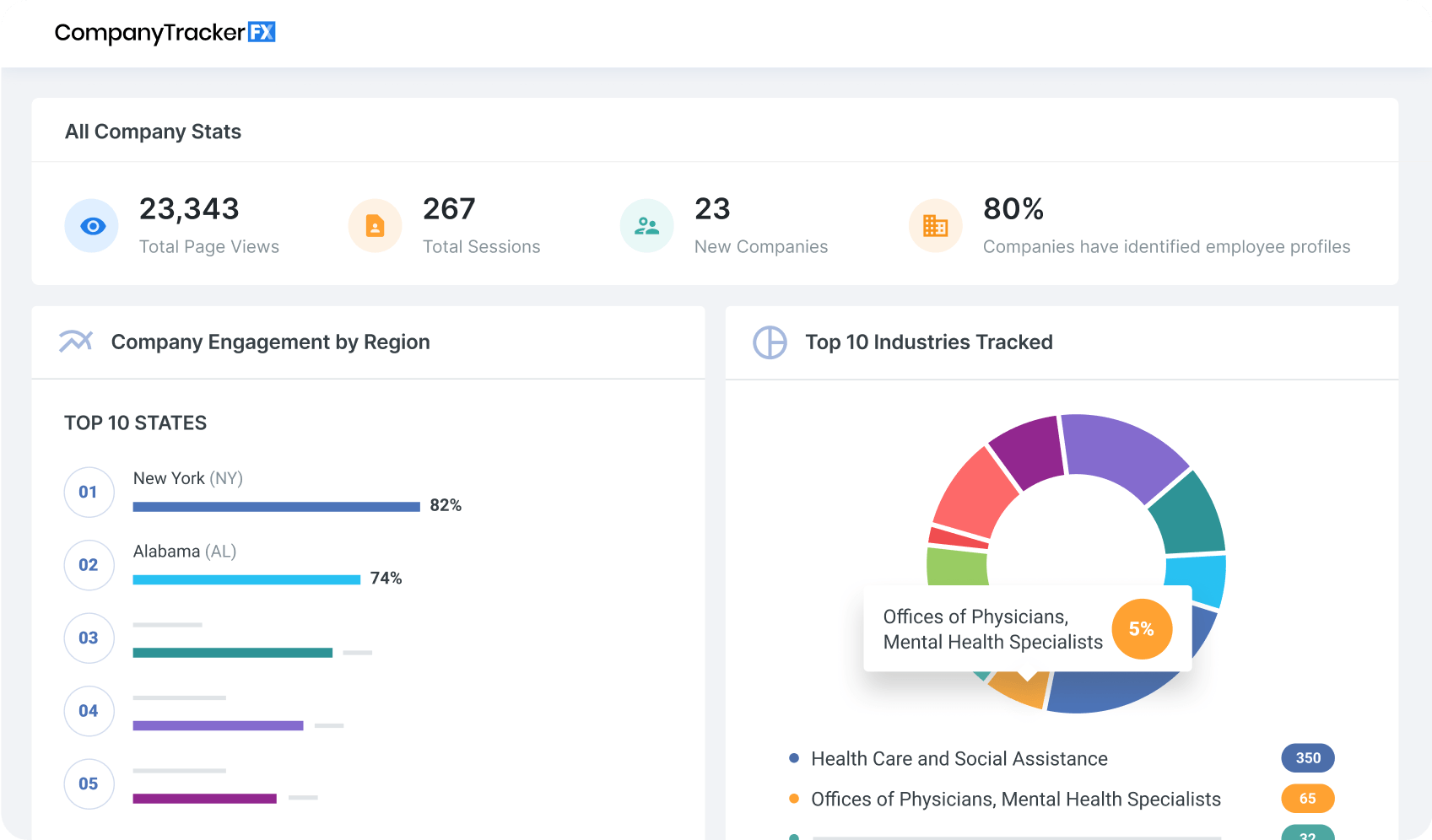
Understand
Technical Roles
Connect engineering-role information to the implementation, architecture and interface work a project requires.
Explore role responsibilities and experience questions that can guide a technical discussion about the proposed team and its delivery work.
Work
Interfaces
Duties