Powered by


Trusted by 1,000+ Businesses


Architecting the Future of
Front End Engineering
Building robust, scalable, and highly interactive user interfaces utilizing modern web technologies and best practices.
Component-Driven UI
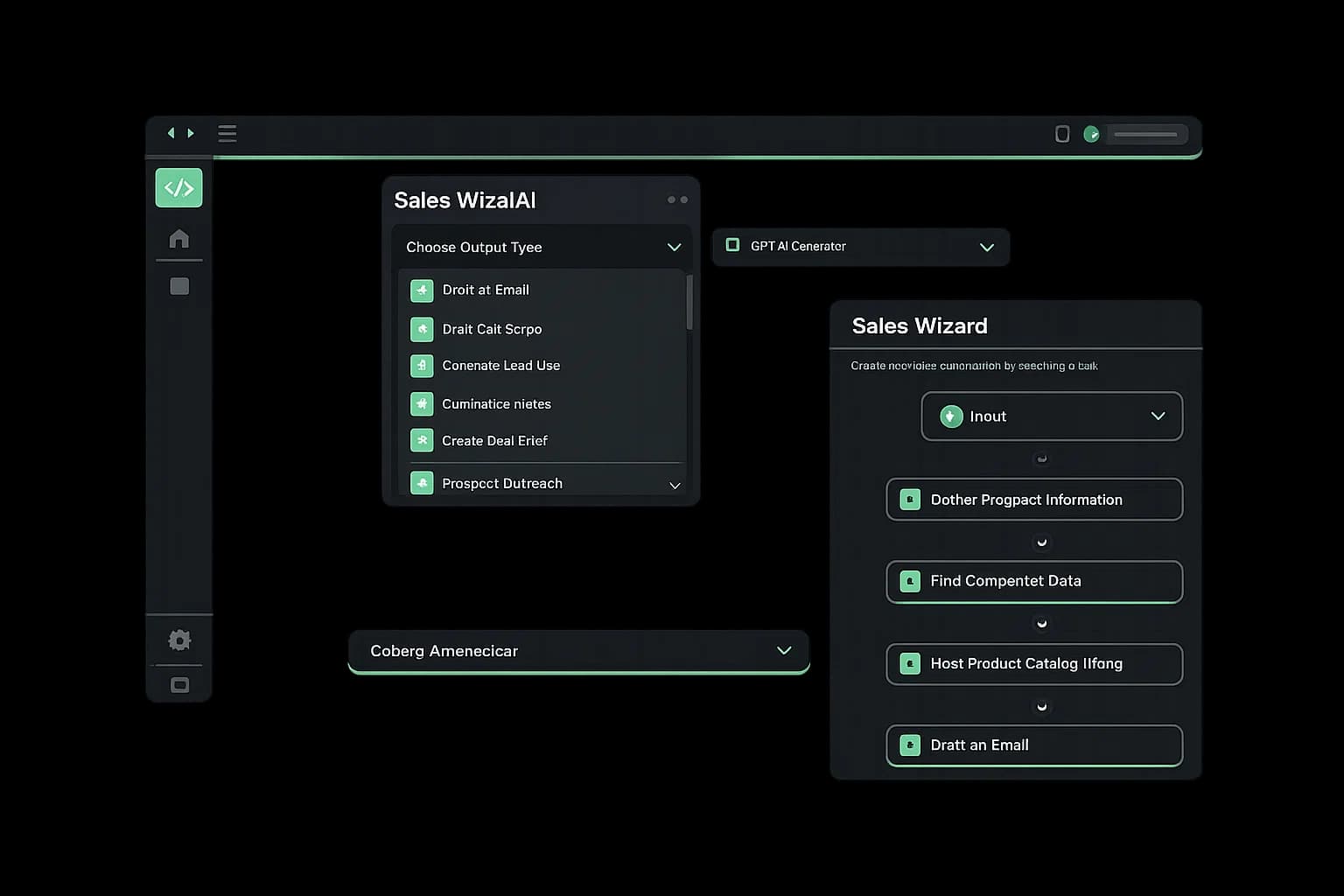
We build modular, scalable component libraries that ensure design consistency and accelerate development cycles across apps.
Performance Optimization
Focusing on Core Web Vitals, we utilize advanced caching strategies and code-splitting to deliver lightning-fast experiences.
Responsive Interactivity
Creating immersive interfaces that adapt seamlessly to any viewport. We blend fluid animations with intuitive layouts.
Advanced State Management
Managing complex data flows with precision using modern tools like Redux Toolkit and Zustand for predictable app behavior.
API Integration & GraphQL
Seamlessly connecting front-ends to microservices with efficient data fetching strategies using Apollo GraphQL and React Query.
Design Systems
Bridging the gap between design and code with living style guides and Storybook integration for pixel-perfect implementation.
How We Engineer Digital Results
It uses authoritative sources of system data and models to create a "digital thread," connecting data to applications in an efficient, repeatable, and auditable manner.
Velocity & Optimization
Speed isn't just a metric; it's a feature. We engineer applications that load instantly by leveraging Server-Side Rendering (SSR), Edge Caching, and code-splitting strategies to keep users engaged.
- → Core Web Vitals Optimization
- → Zero-Bundle-Size Architectures
- → Next.js / React Server Components


Review Resources
Use workload observations and operating constraints to discuss practical computing-efficiency options and how their effects can be measured.
Computing Resource Use in Context
Where can efficiency work begin? Review what compute and storage resources do, when they are needed and how their use is measured. Evaluate changes using workload evidence and clearly defined measurement boundaries.
Workload Measurements
→Establish the operating period and measurements used to understand current compute and storage activity.
Idle Resource Review
→Identify resources that appear unused and confirm their dependencies before changing their availability.
Scheduling Choices
→Consider whether non-interactive work can run at appropriate times within the application's constraints.
Storage Lifecycle
→Relate retention and storage-tier choices to data access needs and the applicable handling requirements.
Capacity Adjustments
→Review sizing assumptions against observed workloads before changing resource allocations.
Measurement Limits
→Separate observed resource-use changes from broader environmental claims that need additional verified evidence.
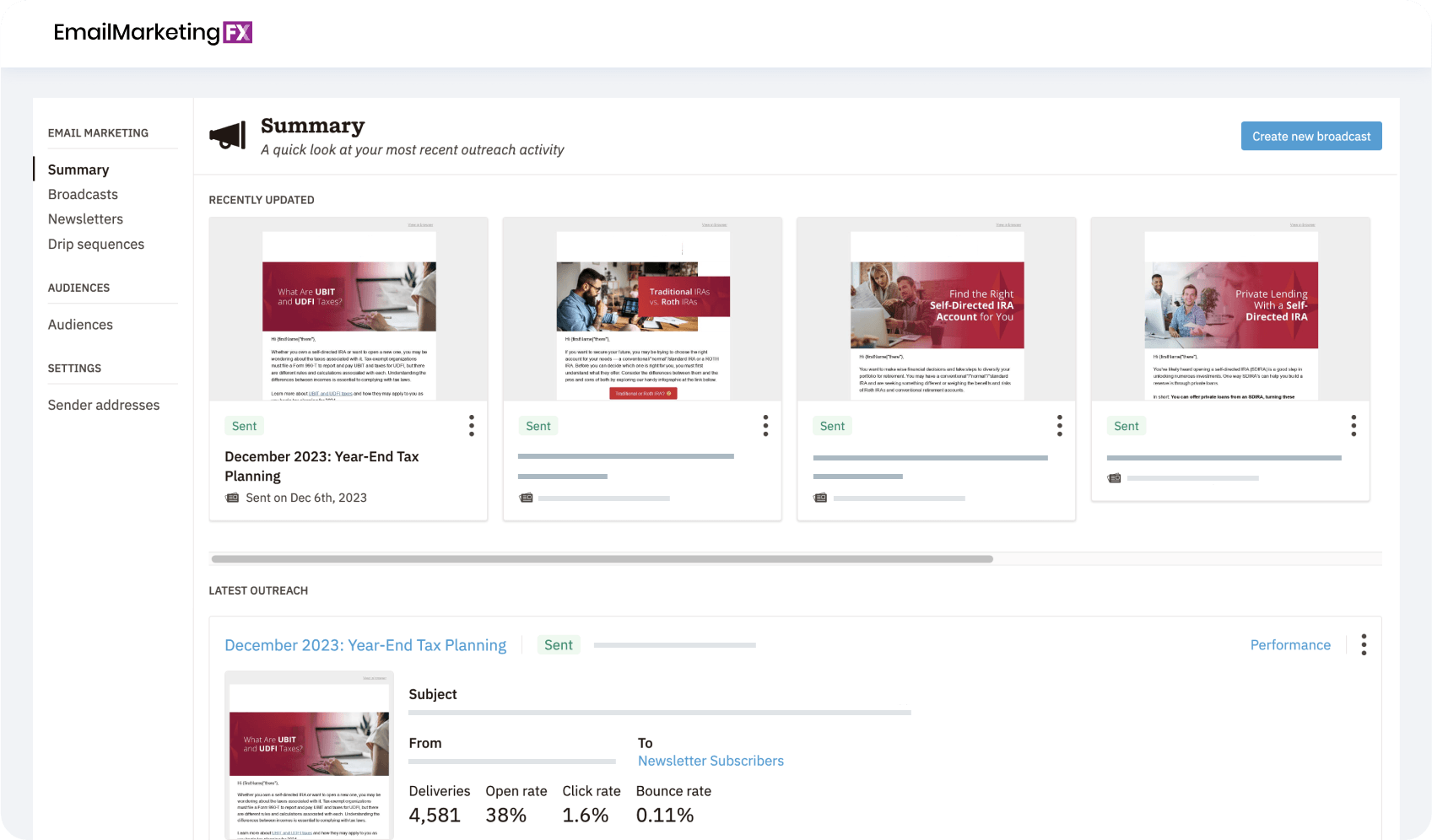
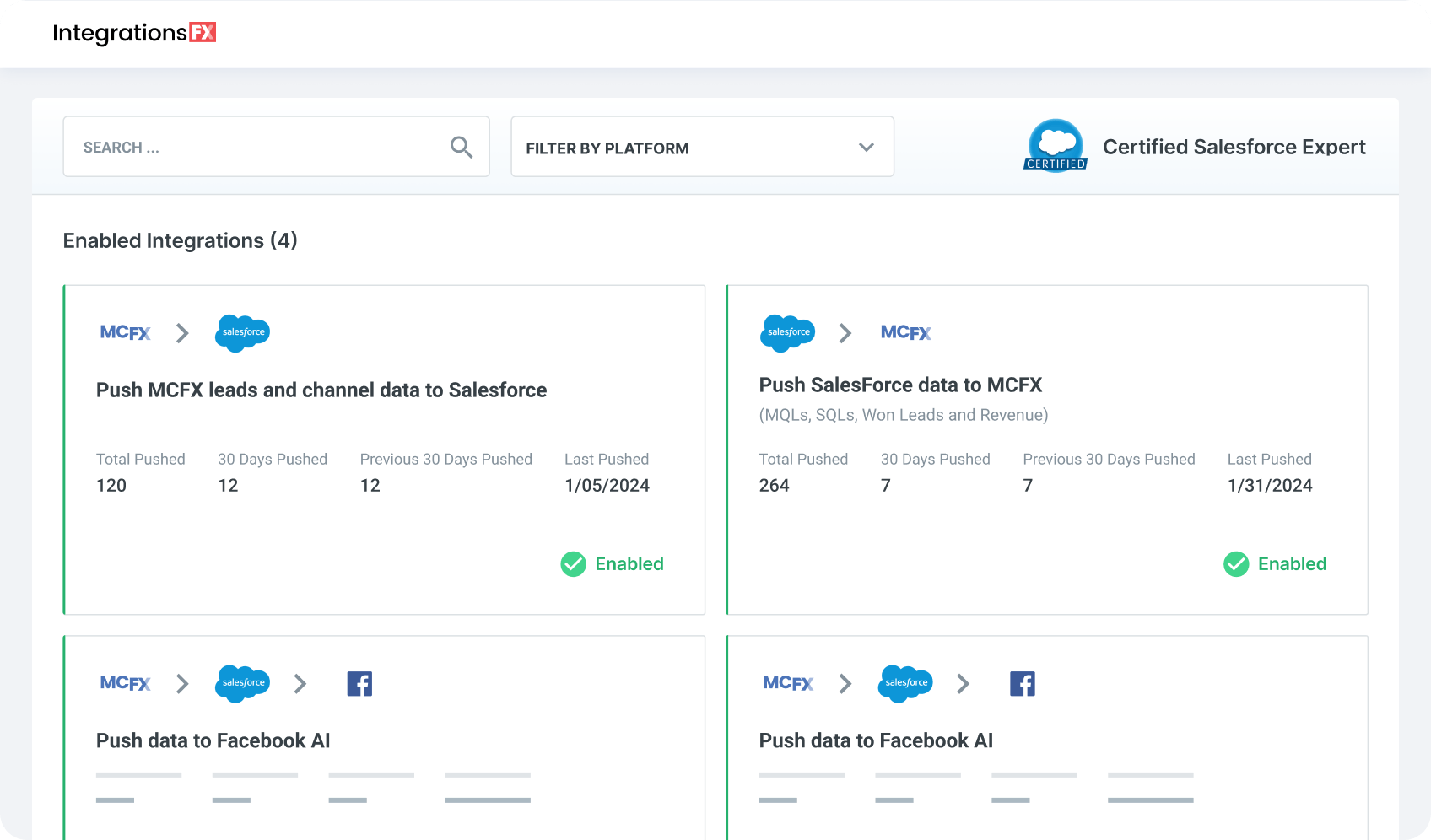
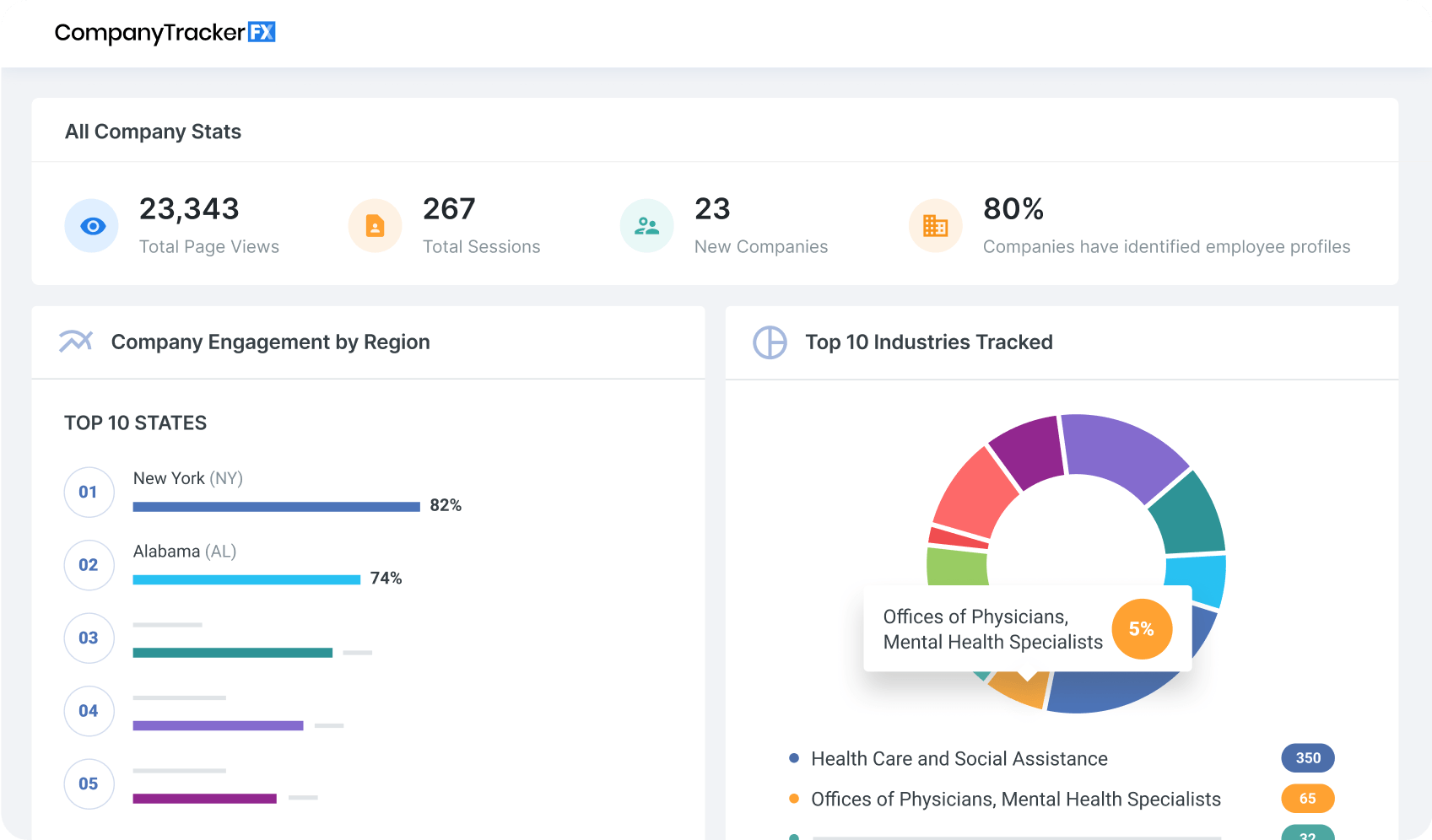
Measured
Resource Use
Connect infrastructure-efficiency work to workload requirements, resource observations and the reasons computing work is performed.
Explore ways to review unnecessary processing and server use. Evaluation depends on the measurement scope and the operating conditions of the system.
Context
Use
Scope