Powered by


Trusted by 1,000+ Businesses


Architecting the Future of
Front End Engineering
Building robust, scalable, and highly interactive user interfaces utilizing modern web technologies and best practices.
Component-Driven UI
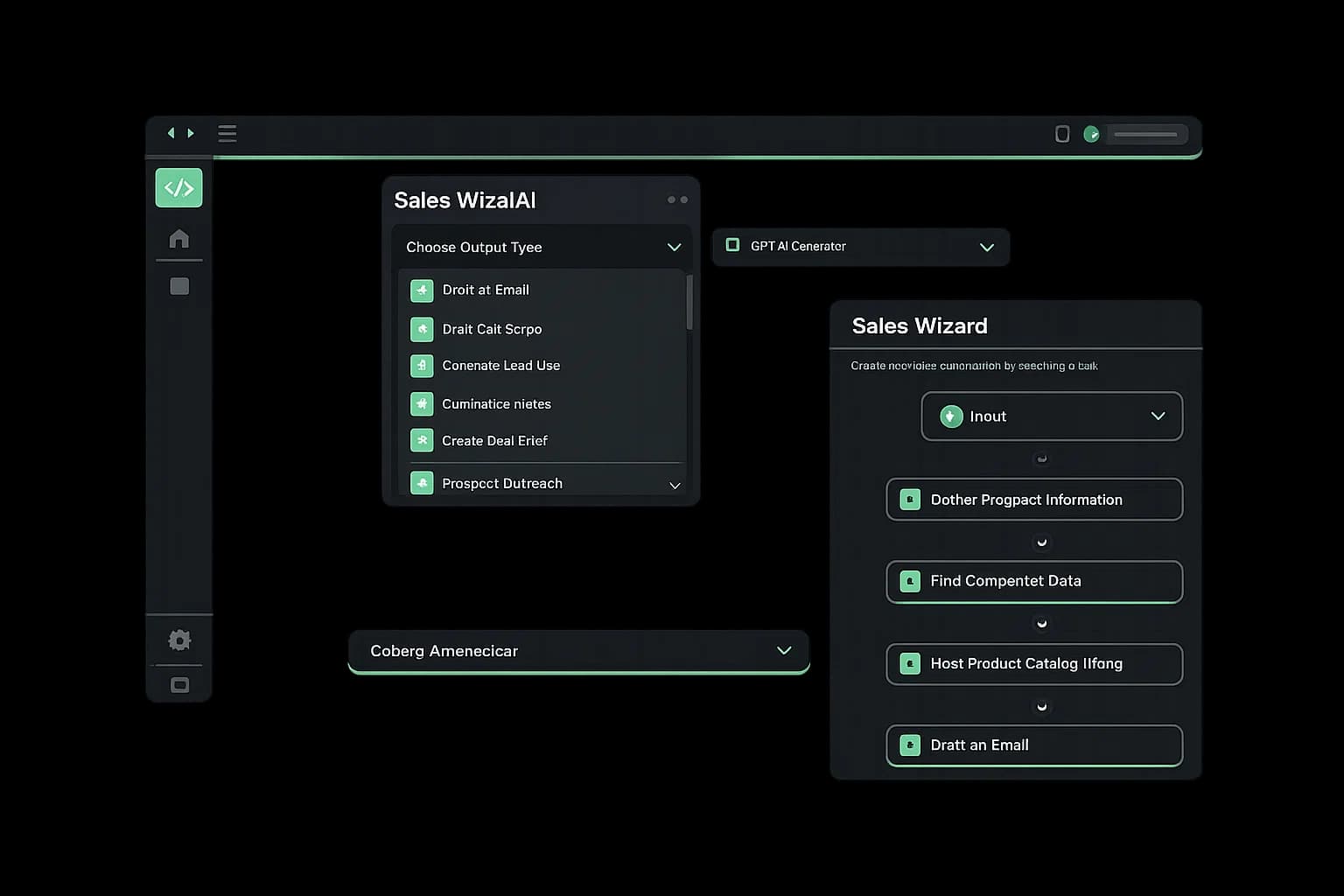
We build modular, scalable component libraries that ensure design consistency and accelerate development cycles across apps.
Performance Optimization
Focusing on Core Web Vitals, we utilize advanced caching strategies and code-splitting to deliver lightning-fast experiences.
Responsive Interactivity
Creating immersive interfaces that adapt seamlessly to any viewport. We blend fluid animations with intuitive layouts.
Advanced State Management
Managing complex data flows with precision using modern tools like Redux Toolkit and Zustand for predictable app behavior.
API Integration & GraphQL
Seamlessly connecting front-ends to microservices with efficient data fetching strategies using Apollo GraphQL and React Query.
Design Systems
Bridging the gap between design and code with living style guides and Storybook integration for pixel-perfect implementation.
How We Engineer Digital Results
It uses authoritative sources of system data and models to create a "digital thread," connecting data to applications in an efficient, repeatable, and auditable manner.
Velocity & Optimization
Speed isn't just a metric; it's a feature. We engineer applications that load instantly by leveraging Server-Side Rendering (SSR), Edge Caching, and code-splitting strategies to keep users engaged.
- → Core Web Vitals Optimization
- → Zero-Bundle-Size Architectures
- → Next.js / React Server Components


Prepare Access
Bring repository context, environment requirements and the people responsible for access into the onboarding discussion.
Engineering Onboarding Context
What should a handover make clear? An effective onboarding plan connects authorized access, local setup instructions and system context so new contributors know how to begin reviewed work.
Repository Context
→Identify the relevant repositories, branch practices and code ownership before assigning initial changes.
Authorized Access
→Arrange the permissions needed for the contributor's role and record who approves or removes them.
Local Environment
→Document required tools, configuration sources and the steps used to verify a working development setup.
System Knowledge
→Explain important workflows, integrations and existing decisions that affect the contributor's first tasks.
First Reviewed Change
→Choose an appropriately scoped task that exercises the team's review, test and delivery process.
Handover Checkpoints
→Confirm what context has been transferred and which setup or ownership questions remain unresolved.
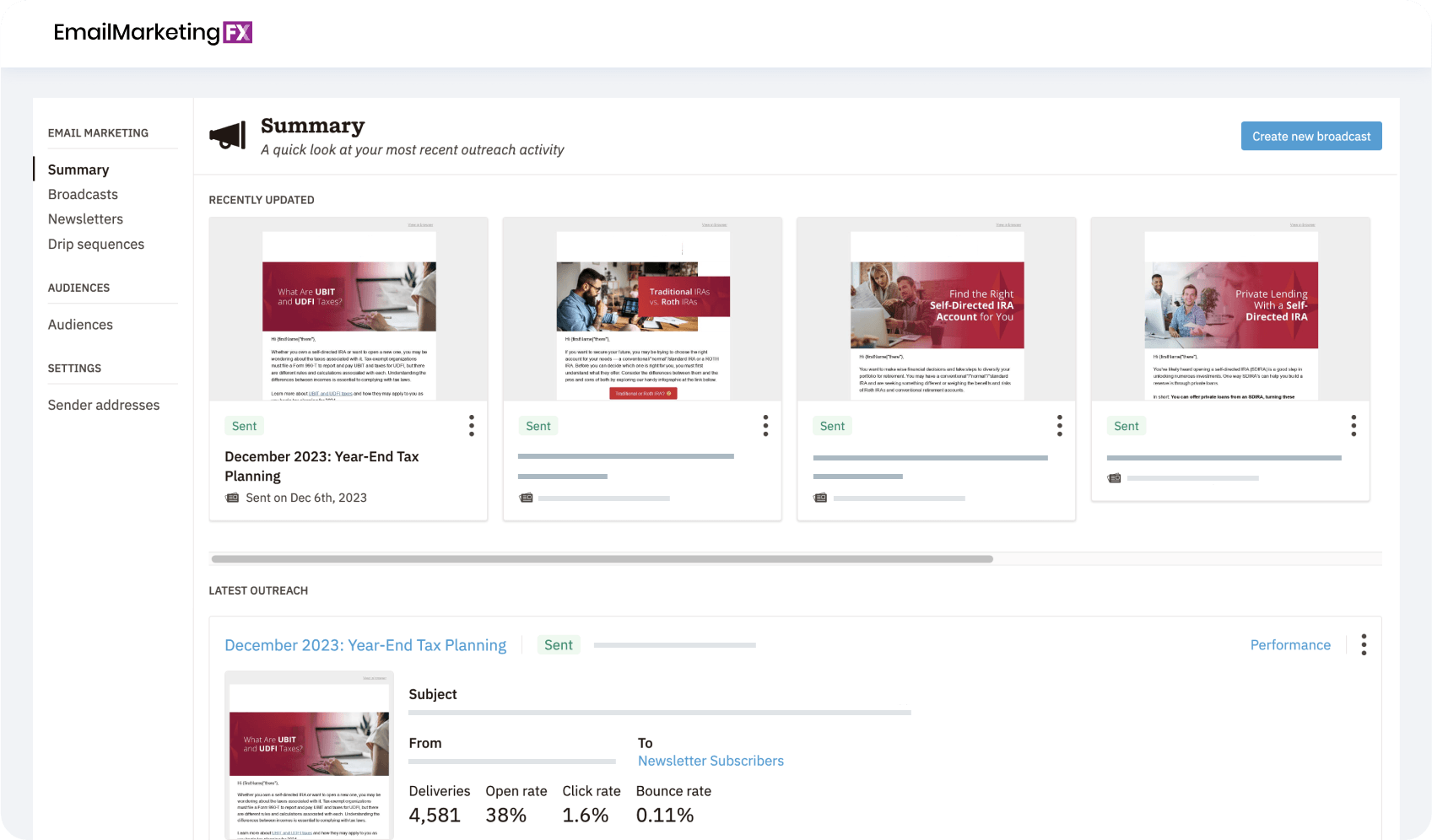
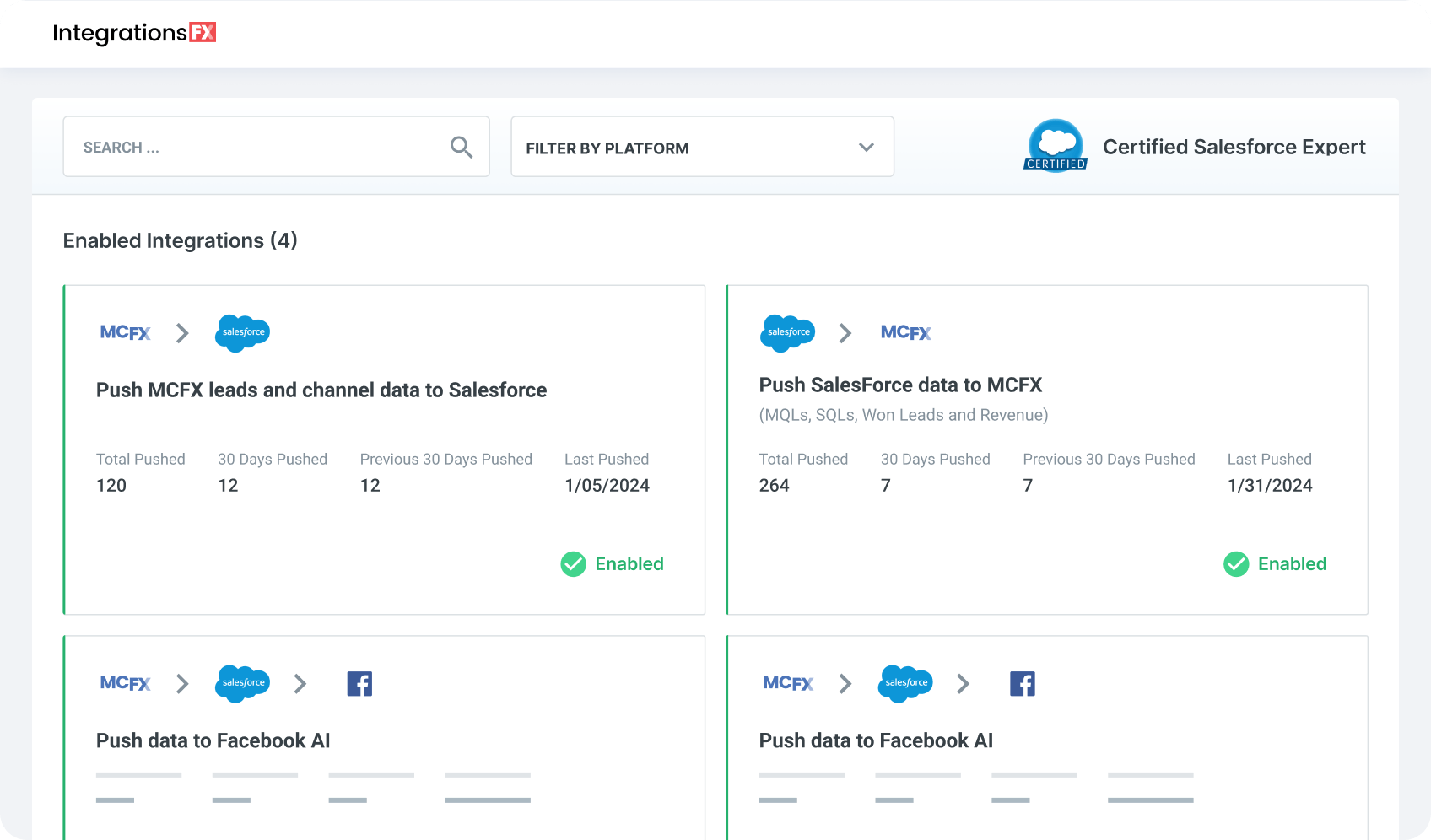
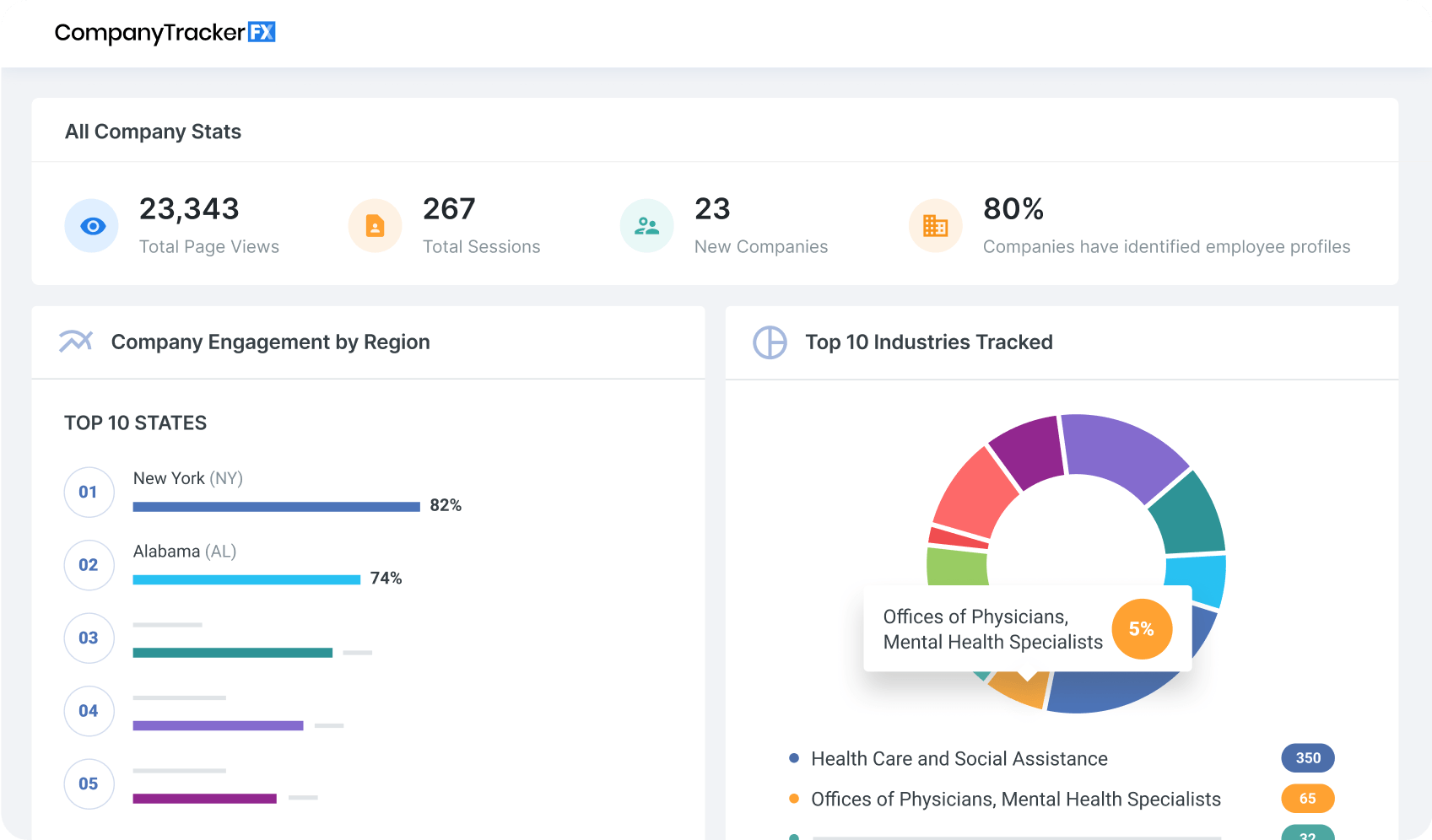
Prepared
Team Handover
Connect repository knowledge, authorized access and local setup requirements before a contributor starts implementation work.
Explore the onboarding steps that make project context available while keeping permissions, configuration and review responsibilities explicit.
Knowledge
Access
Setup