Service Boundaries
Specify the systems, tasks and dependencies covered by the outsourcing arrangement.
✓ Delegated activities
✓ System inventory
✓ Dependency mapping
✓ Scope exclusions
Our data-driven approach ensures your digital infrastructure is optimized for maximum speed, high conversion, and long-term search engine dominance. By replacing guesswork with concrete, evidence-based insights, we transform your digital presence into a measurable, high-performance asset.
of mobile users abandon a site if it takes longer than 3 seconds to load.
Drop in conversion rates for every 100-millisecond delay in load time.
Performance score on Lighthouse correlates with higher SEO rankings.
Return on Investment (ROI) for every dollar spent on UX engineering.
Deploying resilient, hyper-optimized full-stack infrastructures built on modern web frameworks.
Eliminate monolithic security vulnerabilities by fully isolating your frontend from the backend database and CMS.
Distribute static assets globally via edge networks to ensure instant data retrieval regardless of user location.
Empower marketing teams to publish seamlessly using Sanity or Contentful without requiring developer intervention.
Future-proof your stack by allowing backend migrations without ever touching the user-facing interface.

Define the software maintenance and IT operations responsibilities you want an external team to manage.
Establish a service scope, access boundaries, and a practical way to exchange requests and operational updates.
Define how service scope, access boundaries, escalation owners connect to the people and systems responsible for IT Outsourcing.
Plan transition planning, maintenance requests, operational procedures, incident coordination, change review, service reporting as connected parts of the IT Outsourcing scope.
Collect system context and transfer agreed operational responsibilities.
Organize fixes and routine application work in a shared queue.
Document repeatable tasks and the evidence of their completion.
Define communication and escalation during service interruptions.
Review proposed changes before they enter the managed environment.
Report work status, unresolved requests, and operational concerns.
Define delegated technology work through agreed scope, operating responsibilities and reviewable handoffs.
Specify the systems, tasks and dependencies covered by the outsourcing arrangement.
Connect runbooks and access requirements to the people taking responsibility for the service.
Keep incidents, maintenance work and decisions visible across internal and delegated teams.
Review the arrangement using agreed reporting definitions and the work completed within its scope.
Testing isolated logic for project1 within a secure sandbox environment.
Testing isolated logic for project2 within a secure sandbox environment.
Testing isolated logic for project3 within a secure sandbox environment.
Testing isolated logic for project4 within a secure sandbox environment.
Testing isolated logic for project5 within a secure sandbox environment.
Testing isolated logic for project6 within a secure sandbox environment.
Building robust, scalable, and highly interactive user interfaces utilizing modern web technologies and best practices.
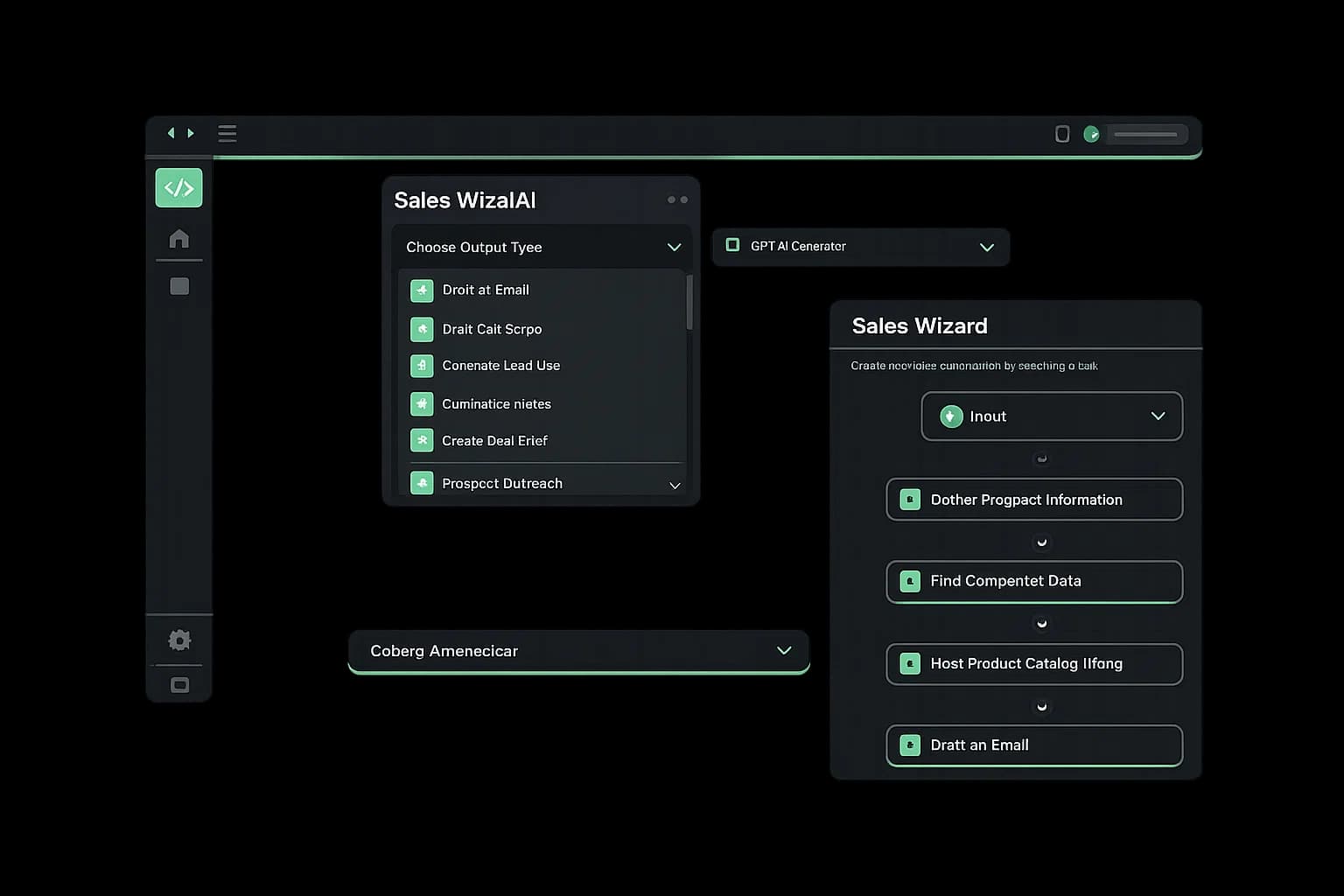
We build modular, scalable component libraries that ensure design consistency and accelerate development cycles across apps.
Focusing on Core Web Vitals, we utilize advanced caching strategies and code-splitting to deliver lightning-fast experiences.
Creating immersive interfaces that adapt seamlessly to any viewport. We blend fluid animations with intuitive layouts.
Managing complex data flows with precision using modern tools like Redux Toolkit and Zustand for predictable app behavior.
Seamlessly connecting front-ends to microservices with efficient data fetching strategies using Apollo GraphQL and React Query.
Bridging the gap between design and code with living style guides and Storybook integration for pixel-perfect implementation.
Growing PPC’s performance starts with a plan customized to your business, industry, and audience. So, we build a customized enterprise PPC service plan for your organization, providing you with a roadmap for how we’ll achieve your goals for paid search, from greater brand awareness to bigger market share.
Starting at

Your advertising budget will not only determine your monthly management costs, it will also help determine which advertising channels we’d recommend investing in to maximize your marketing budget.
Your custom strategy will depend on where you are looking to advertise- Google, Bing, Programmatic, etc. Your WebFX strategist can recommend PPC channels for you based on your business goals!
If you have an in-house designer, you may not need WebFX’s support with the creation of branded ad creative. However, many of our clients trust WebFX’s design team to create professional, branded display ads for any campaign type.
Explore our most frequently asked questions to understand our approach to front-end architecture, performance optimization, and scalable design systems.