Powered by


Trusted by 1,000+ Businesses


Architecting the Future of
Front End Engineering
Building robust, scalable, and highly interactive user interfaces utilizing modern web technologies and best practices.
Component-Driven UI
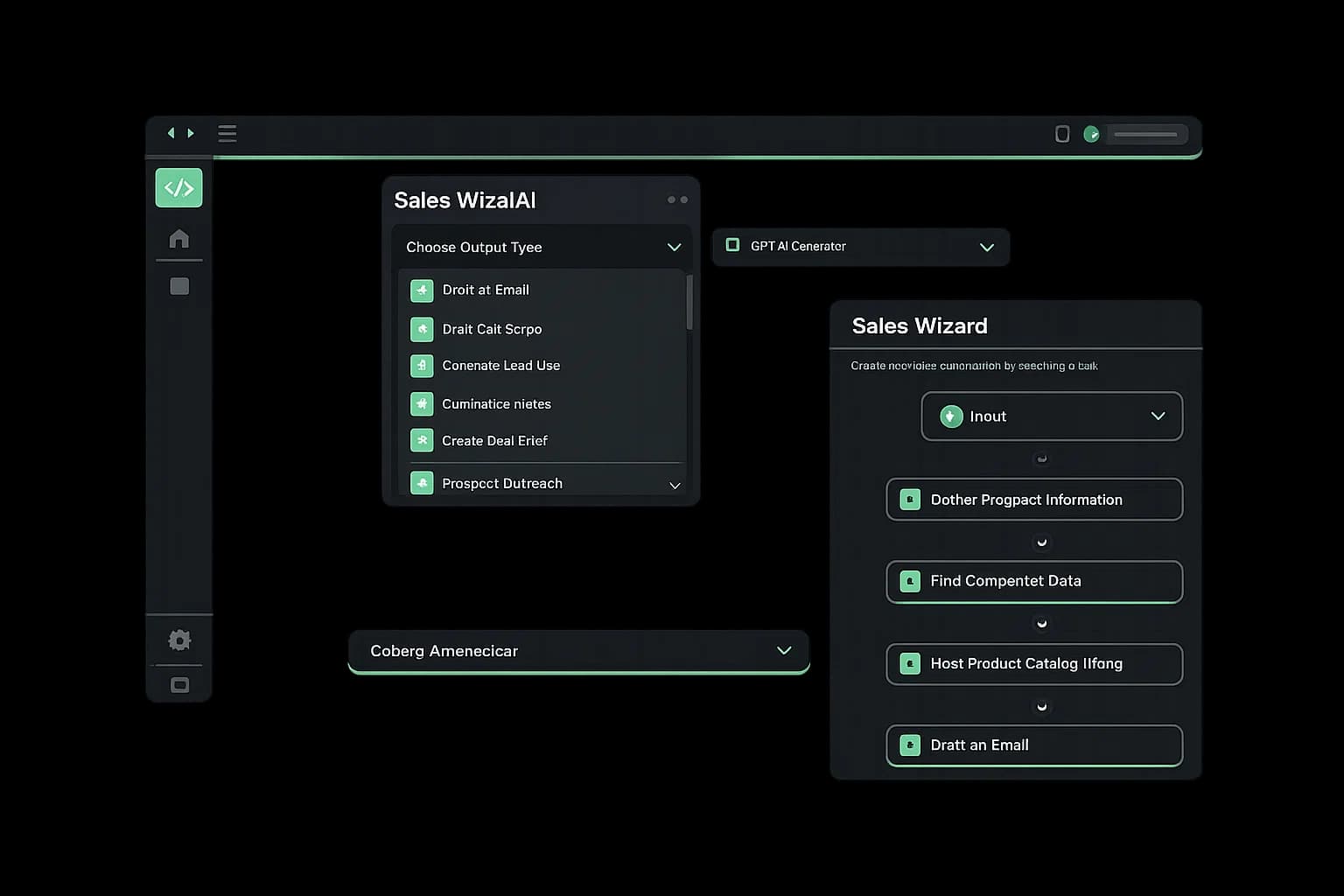
We build modular, scalable component libraries that ensure design consistency and accelerate development cycles across apps.
Performance Optimization
Focusing on Core Web Vitals, we utilize advanced caching strategies and code-splitting to deliver lightning-fast experiences.
Responsive Interactivity
Creating immersive interfaces that adapt seamlessly to any viewport. We blend fluid animations with intuitive layouts.
Advanced State Management
Managing complex data flows with precision using modern tools like Redux Toolkit and Zustand for predictable app behavior.
API Integration & GraphQL
Seamlessly connecting front-ends to microservices with efficient data fetching strategies using Apollo GraphQL and React Query.
Design Systems
Bridging the gap between design and code with living style guides and Storybook integration for pixel-perfect implementation.
How We Engineer Digital Results
It uses authoritative sources of system data and models to create a "digital thread," connecting data to applications in an efficient, repeatable, and auditable manner.
Velocity & Optimization
Speed isn't just a metric; it's a feature. We engineer applications that load instantly by leveraging Server-Side Rendering (SSR), Edge Caching, and code-splitting strategies to keep users engaged.
- → Core Web Vitals Optimization
- → Zero-Bundle-Size Architectures
- → Next.js / React Server Components


Frame Learning
Identify the technical topic, audience and prerequisite context before planning a talk or evaluating session materials.
Technical Sessions and Materials
What should a technical session explain? A useful talk gives its audience a clear question, the setup needed to follow it and the limits of its examples. Session dates, speaker context and supporting materials help people judge its relevance.
Topic and Audience
→Describe the engineering question and the level of prior knowledge expected from participants.
Prerequisite Setup
→Identify the tools, versions and environment assumptions needed to follow a practical demonstration.
Session Structure
→Connect the explanation, demonstration and discussion to the learning objective of the proposed session.
Example Materials
→Keep code samples and configuration examples tied to their stated environment and limitations.
Questions and Follow-up
→Record the questions that need clarification and the references that support further investigation.
Recording Context
→Verify publication permission, session date and speaker attribution before presenting a recording as an available resource.
Explore
Tech Talks
Review technical-session topics through the setup, examples and operating context needed to understand the material.
Explore container and client-caching discussions with attention to prerequisites, demonstration conditions and questions to investigate in your own environment.
Context
Conditions
Questions