Powered by


Trusted by 1,000+ Businesses


Architecting the Future of
Front End Engineering
Building robust, scalable, and highly interactive user interfaces utilizing modern web technologies and best practices.
Component-Driven UI
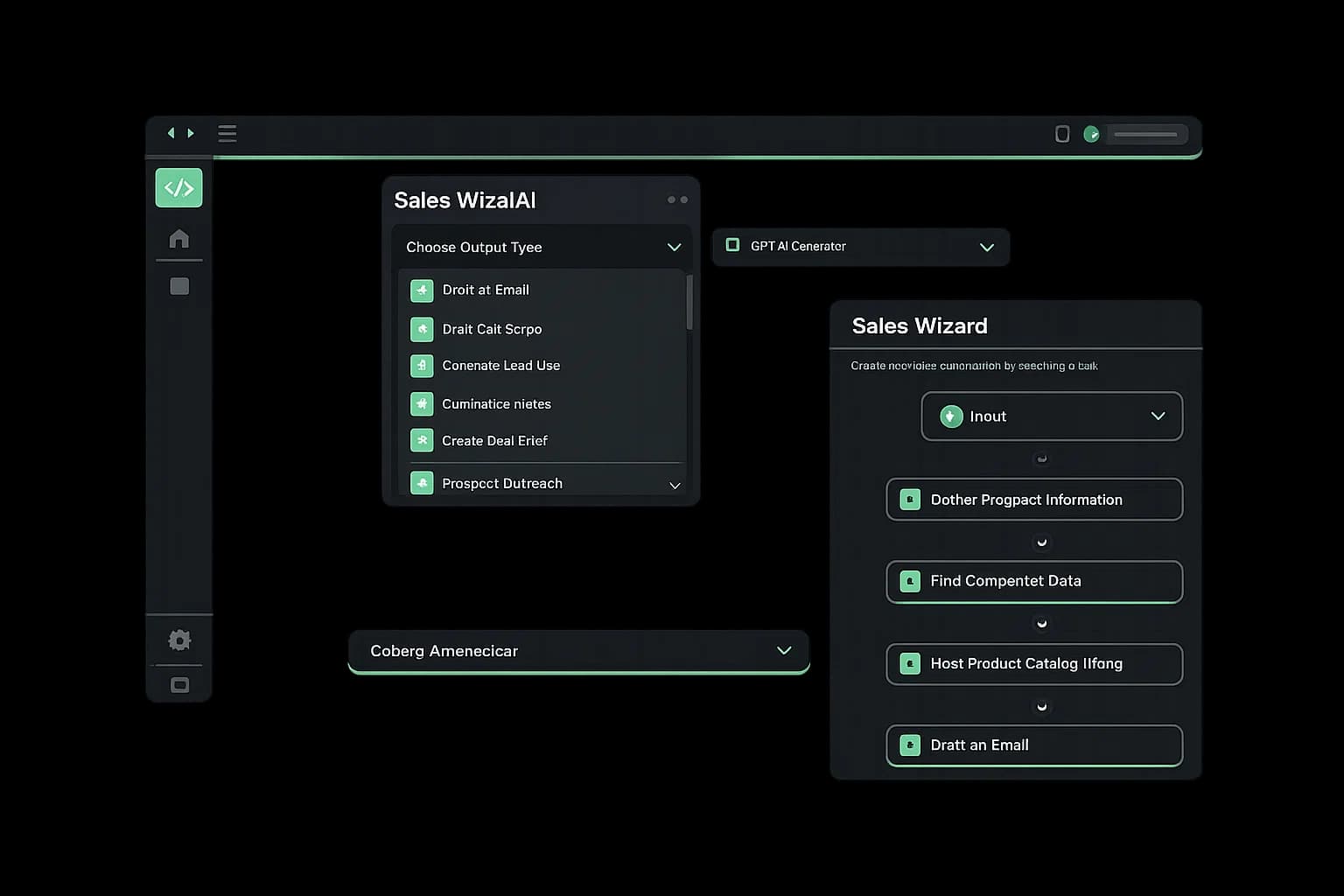
We build modular, scalable component libraries that ensure design consistency and accelerate development cycles across apps.
Performance Optimization
Focusing on Core Web Vitals, we utilize advanced caching strategies and code-splitting to deliver lightning-fast experiences.
Responsive Interactivity
Creating immersive interfaces that adapt seamlessly to any viewport. We blend fluid animations with intuitive layouts.
Advanced State Management
Managing complex data flows with precision using modern tools like Redux Toolkit and Zustand for predictable app behavior.
API Integration & GraphQL
Seamlessly connecting front-ends to microservices with efficient data fetching strategies using Apollo GraphQL and React Query.
Design Systems
Bridging the gap between design and code with living style guides and Storybook integration for pixel-perfect implementation.
How We Engineer Digital Results
It uses authoritative sources of system data and models to create a "digital thread," connecting data to applications in an efficient, repeatable, and auditable manner.
Velocity & Optimization
Speed isn't just a metric; it's a feature. We engineer applications that load instantly by leveraging Server-Side Rendering (SSR), Edge Caching, and code-splitting strategies to keep users engaged.
- → Core Web Vitals Optimization
- → Zero-Bundle-Size Architectures
- → Next.js / React Server Components


Discuss Decisions
Connect a technology outlook to the evidence, constraints and organizational choices that make it relevant to a real system.
Technical Leadership Perspectives
What makes a technology outlook useful? Explain the assumptions behind an architectural view and connect it to practical tradeoffs. Forecasts and modernization recommendations should remain distinct from verified outcomes.
Architecture Tradeoffs
→Compare the constraints and responsibilities that shape a system decision rather than promoting one universal pattern.
Modernization Priorities
→Relate proposed platform changes to current limitations, migration dependencies and support needs.
Data Platform Direction
→Discuss storage and integration options in the context of actual data ownership and access patterns.
Team Implications
→Consider the skills, operational responsibilities and coordination a technical direction requires.
Evidence Behind a View
→Identify the observations and sources that support an opinion, along with the questions they leave open.
Decision Governance
→Describe who reviews a proposal and what evidence is needed before a strategic recommendation becomes delivery work.
Explore
Design Context
Consider technical perspectives through the system problem, evidence and assumptions behind an architecture discussion.
Explore database evolution and software-modernization topics as questions for a project-specific review, with clear separation between observations and forecasts.
Perspectives
Context
Questions